1 hr
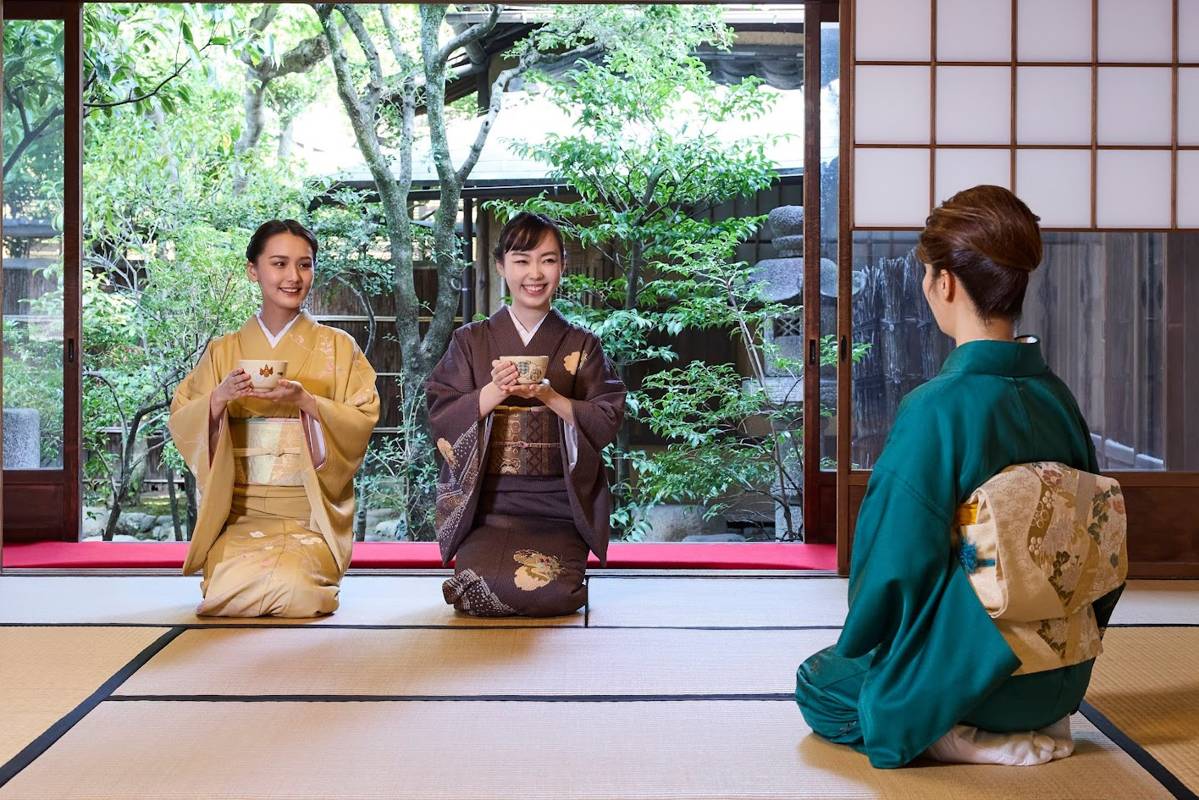
Traditional Tea Ceremony with Master in Tokyo
Craft your own matcha and taste premium Japanese teas in an authentic ceremony near Tokyo University
Reserve
Matcha whisked in a centuries-old tea house, garden silence folding around you.
Hand-picked by our editors — only the best 4 experiences from 17 reviewed.
Verified partners for Tea Ceremony Tokyo tours, free cancellation where available, and instant confirmation on every booking.
1 hr
Craft your own matcha and taste premium Japanese teas in an authentic ceremony near Tokyo University
Reserve
1 hr 30 min
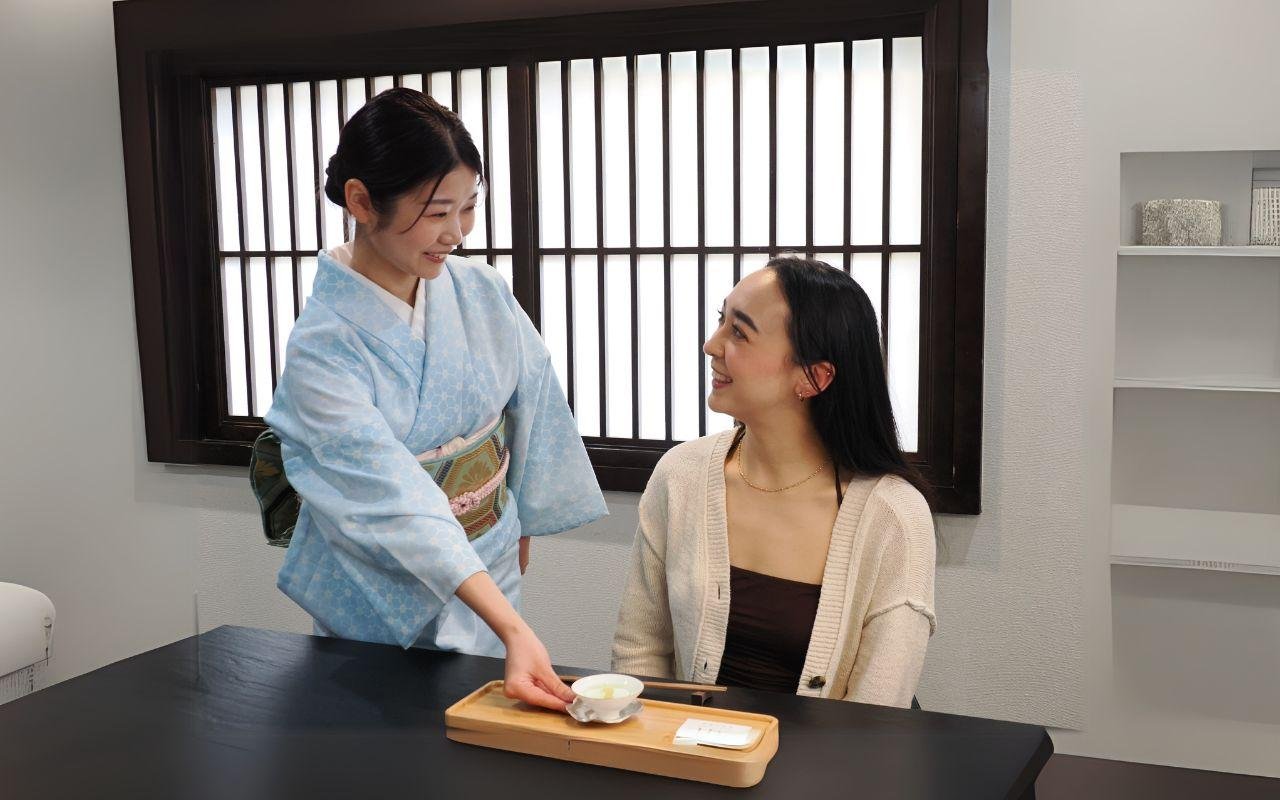
Dress in seasonal kimono and learn the art of matcha preparation in an authentic Japanese tea ceremony
Reserve
1 hr
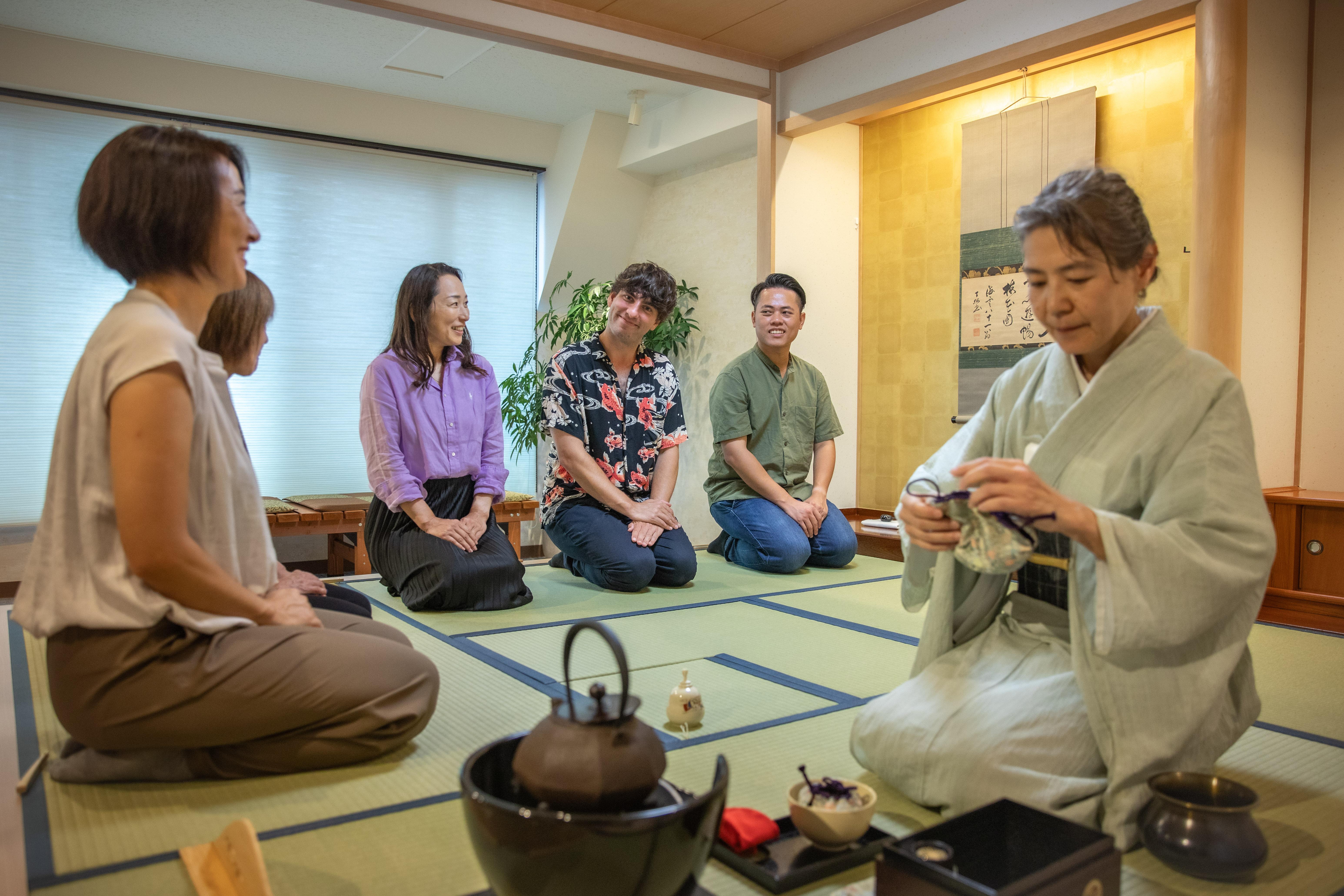
Whisk your own bowl of matcha in a welcoming, beginner-friendly ceremony with sweets and cultural insight.
ReservePrices from verified partners. Availability updates in real time at checkout. Free cancellation policies apply where shown.
The landmarks, rooms, and views travelers on Tea Ceremony Tokyo tours remember — all visible on a single visit.
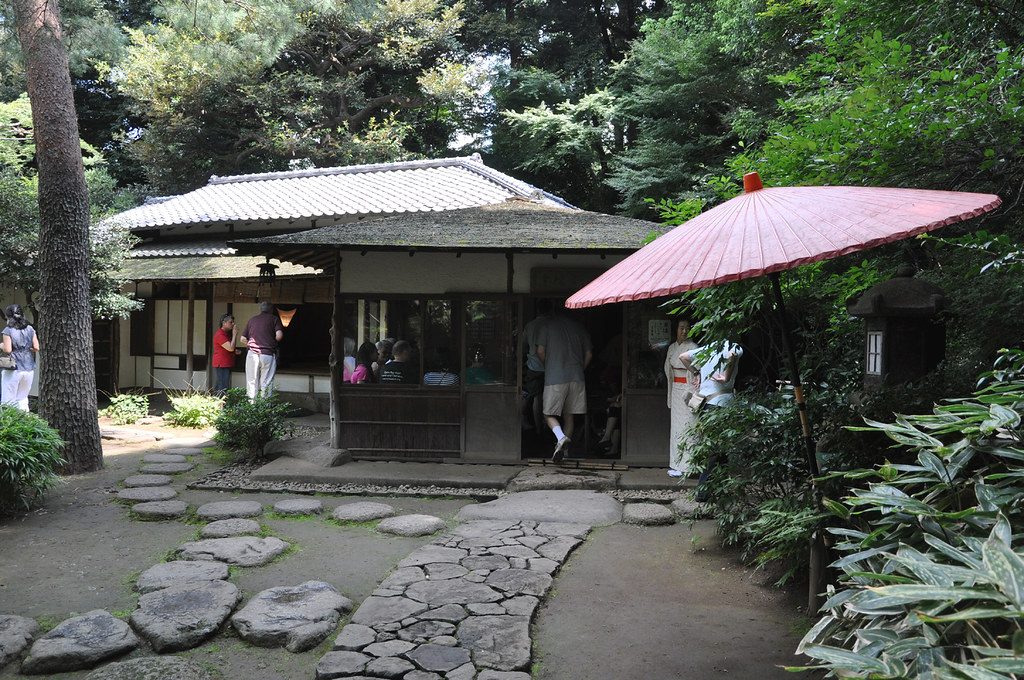
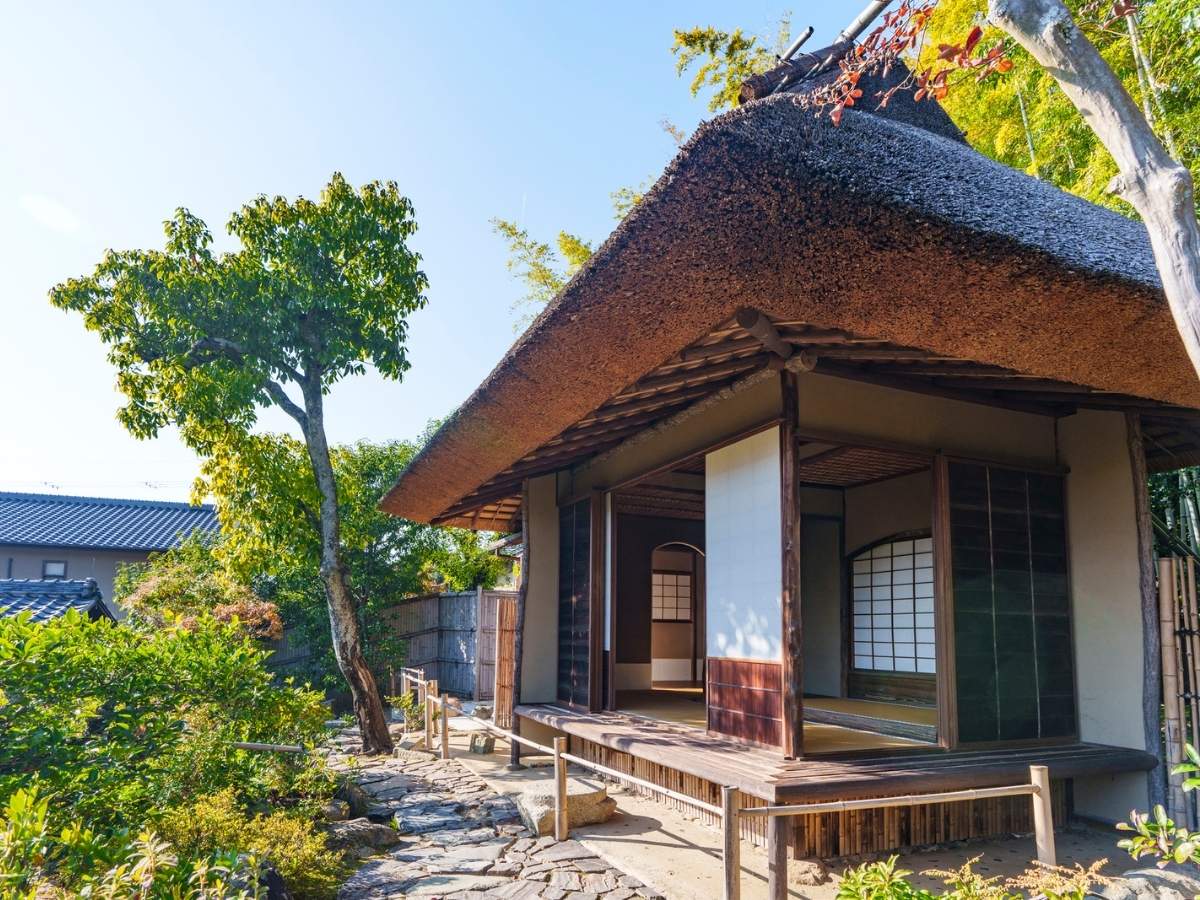
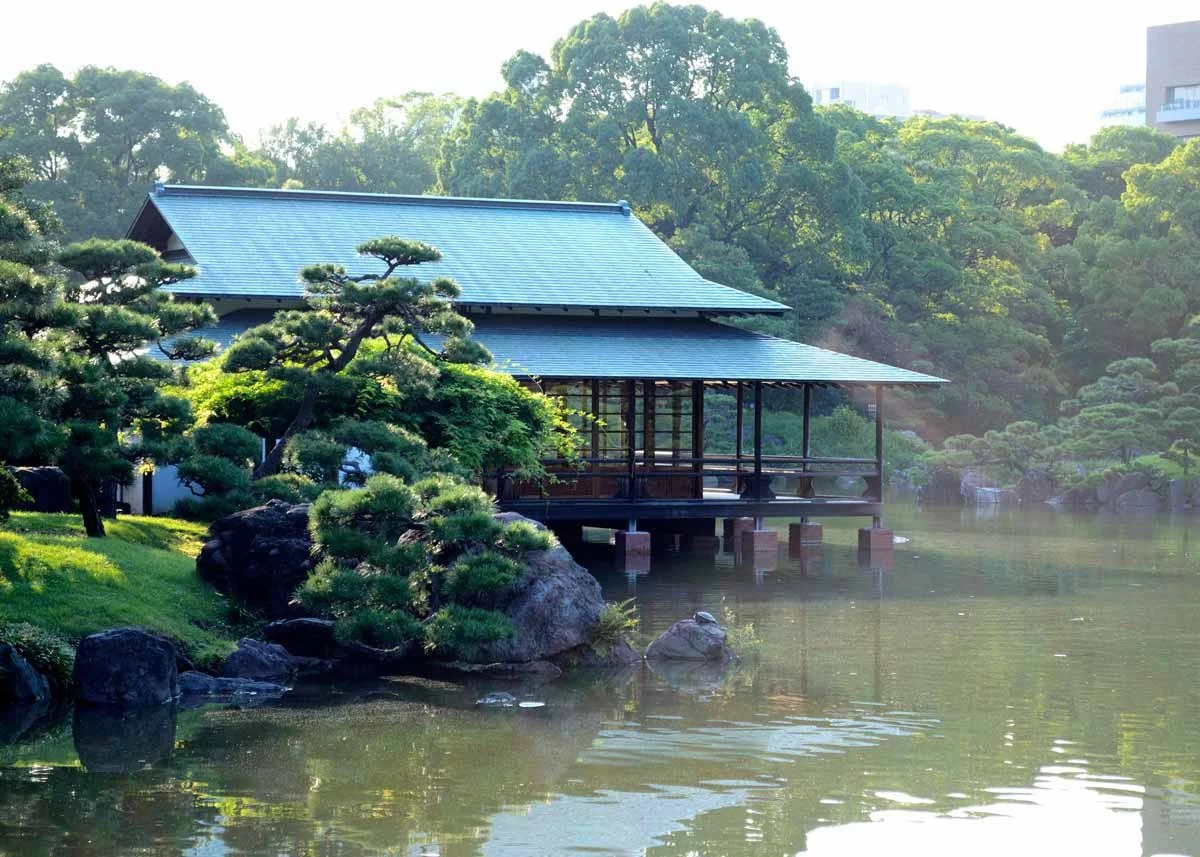
A historic wooden teahouse relocated to the garden, offering an authentic tea ceremony tokyo atmosphere.
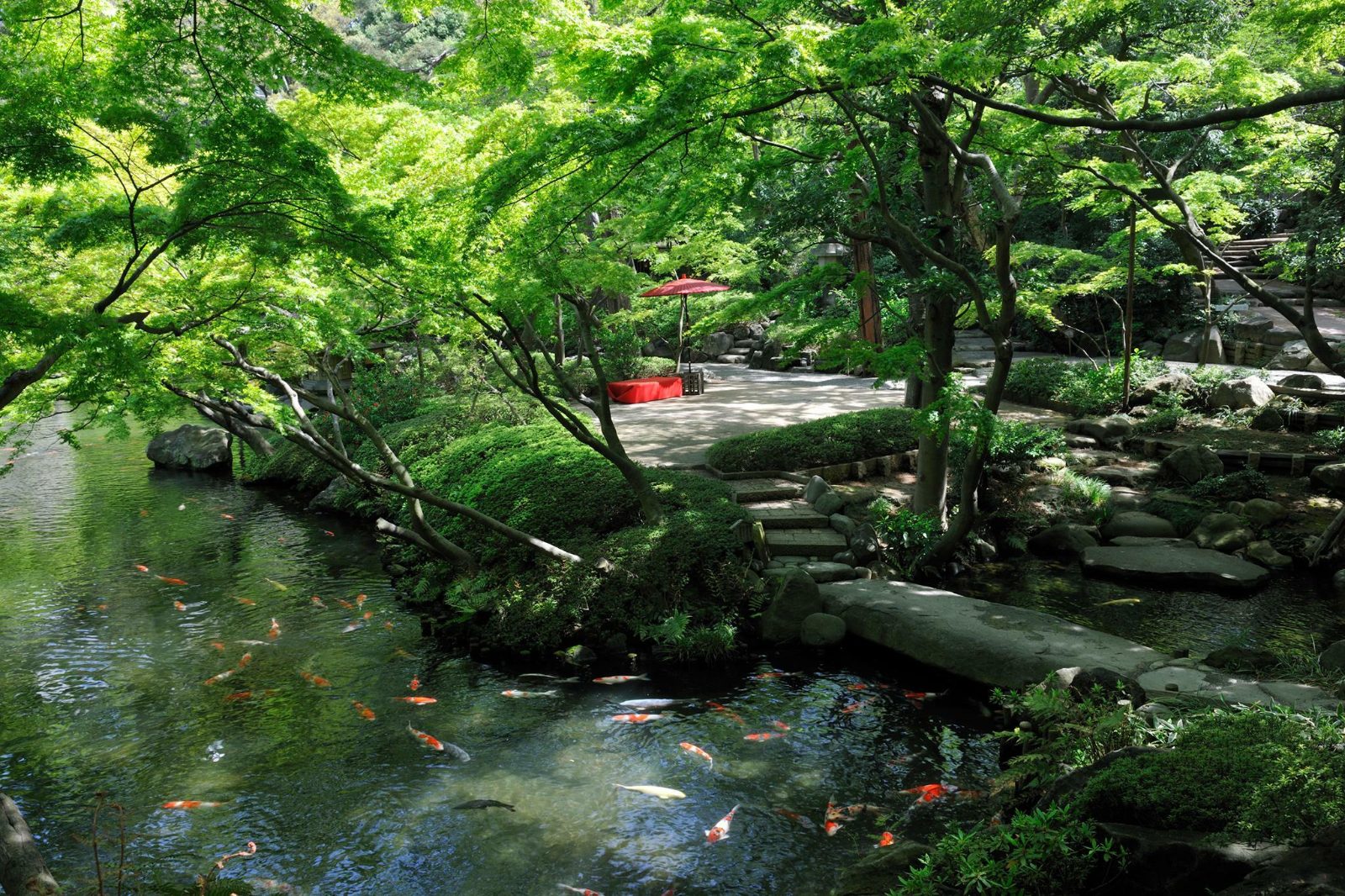
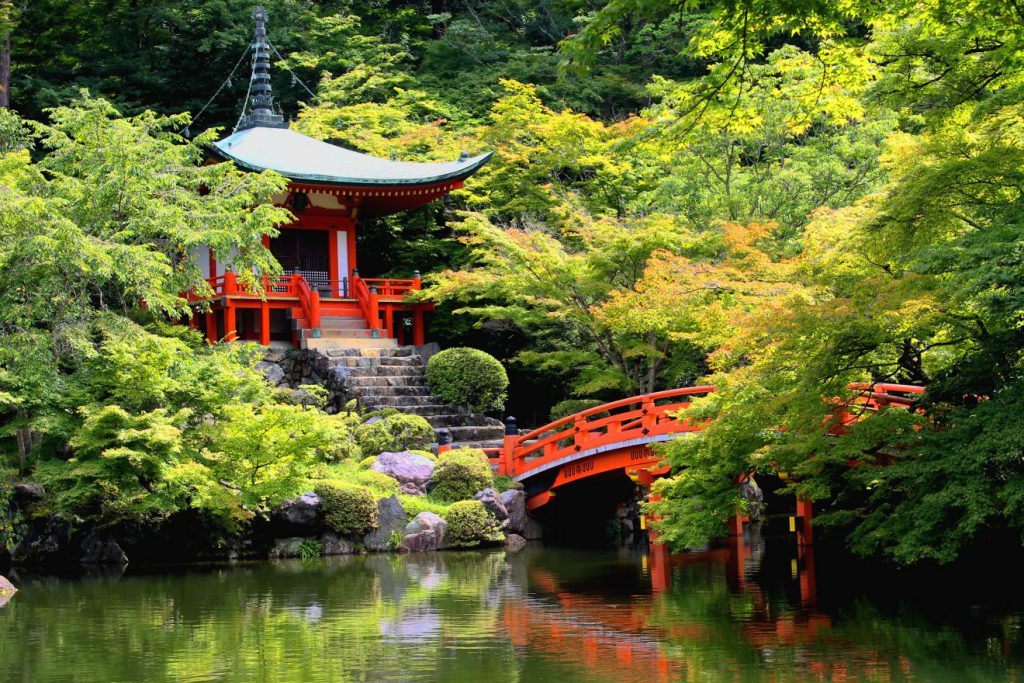
The centerpiece of the garden, home to colorful koi and surrounded by beautiful seasonal foliage.
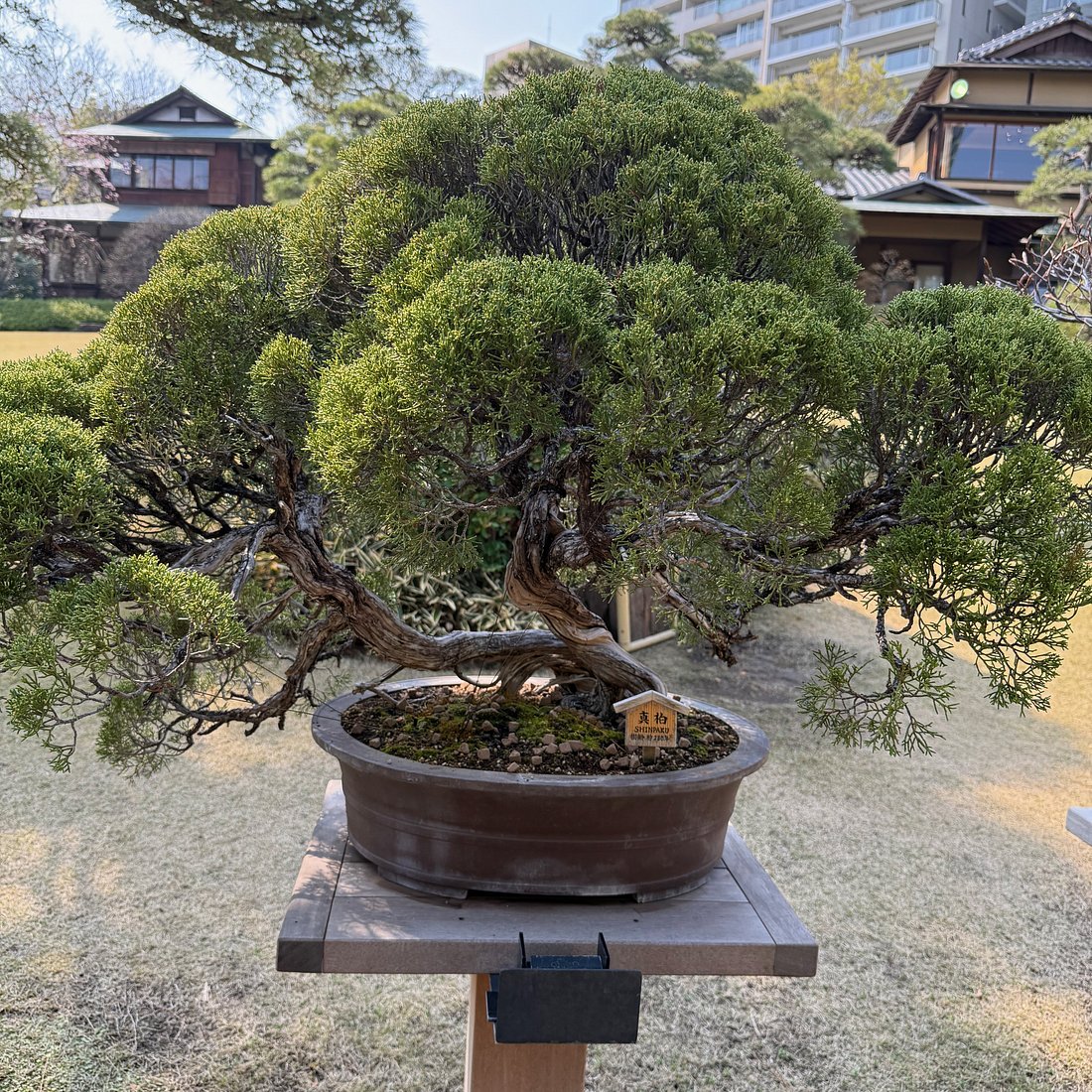
A remarkable collection of trees, including one specimen over 500 years old.
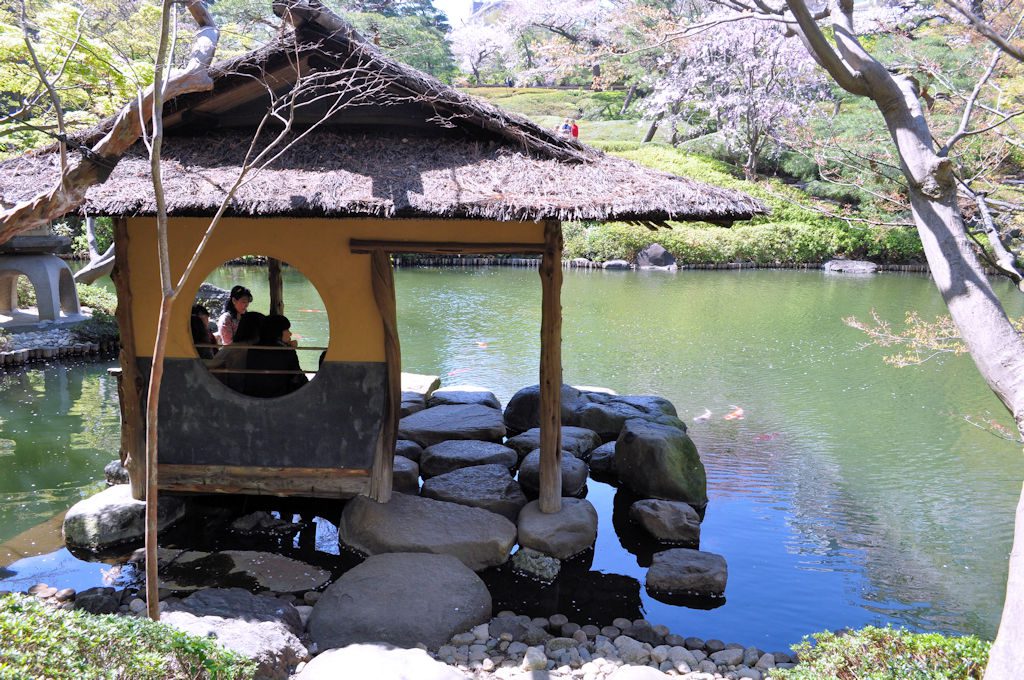
A waterside resting spot designed to appear as if it is floating above the pond.
A historic Shinto shrine located within the garden grounds honoring Emperors Jimmu and Meiji.
Every Tea Ceremony Tokyo tour side-by-side — duration, what's included, how you redeem.
| Experience | Duration | Rating | Small group | Free cancel. | Price | |
|---|---|---|---|---|---|---|
|
Standard Entry Most popular
Traditional Tea Ceremony with Master in Tokyo
|
1 hr | ★ 5.0 | ✓ | ✓ | €34 | Book → |
|
Standard Entry
Asakusa Kimono Tea Ceremony with Matcha & Wagashi
|
1 hr 30 min | ★ 4.9 | — | ✓ | $53 | Book → |
|
Standard Entry
Asakusa Matcha Tea Ceremony Workshop
|
1 hr | ★ 5.0 | ✓ | ✓ | $29 | Book → |
All prices from verified partners. Availability and exact terms confirmed at checkout.
Happo-en offers a serene, garden-integrated experience that complements the high-frequency convenience of urban studios; travelers usually prefer the garden setting for traditional depth and the studios for scheduling flexibility. Choosing between these tea ceremony tokyo tours depends on whether one prioritizes historical landscape immersion or central neighborhood convenience.
| Feature | Top pick Happo-en | Commercial Studios |
|---|---|---|
Setting |
Historical Japanese garden | Urban commercial building |
Authenticity Level |
High (ritual-focused) | Moderate (tourist-focused) |
Accessibility |
Remote (Minato-ku) | High (Asakusa/Ginza hubs) |
Guided vs. Self-Paced |
Structured guided ceremony | Structured guided session |
Price |
1,815 JPY | 3,000–6,000 JPY |
Environment |
Quiet nature sanctuary | Busy city center |
| See tickets → |
Verdict: Securing tea ceremony tokyo tickets at Happo-en provides a more meditative atmosphere, while commercial studios offer easier access for those seeking a quick tea ceremony tokyo tour during a busy day of sightseeing.
Choose your ticket, select your date, and reserve in under two minutes. Secure checkout handled by our verified partner.
Instant confirmation by email, with a mobile voucher you can save offline. No printing, no queuing at a collection desk.
Arrive at the entrance, show your voucher on your phone, and walk in. Most tickets include priority or skip-the-line access.
Practical details for Tea Ceremony Tokyo tickets straight from our verified partners — hours, access, rules, and how to get there.
1-1-1 Shirokanedai, Minato-ku, Tokyo
Ask for the tea house direction
Open in Google MapsTake the Namboku Line or Mita Line to Shirokanedai Station, Exit 2.
Request a taxi from Shinagawa Station directly to the venue.
Smart casual attire is recommended. While there is no strict dress code, avoiding highly casual clothing like sportswear is appreciated for the tea ceremony tokyo experience.
Large bags should be left in venue storage to navigate the stepping stones and historical architecture of the garden comfortably. Security staff monitor the grounds regularly.
Photography is permitted in the gardens, though please be respectful of wedding ceremonies and other guests. Avoid using tripods that may obstruct the narrow garden paths.
The main building is fully accessible. While the Muan tea house and garden paths feature traditional stone elements, staff can provide assistance for those with limited mobility.
Please keep mobile phones on silent mode while inside the tea house to maintain the tranquil atmosphere. Photography should not disrupt other guests.
Children are welcome, but please supervise them closely near the koi ponds and uneven stone paths. Strollers are best left at the main venue hall entrance.
External food and drink are not permitted inside the garden. Traditional matcha and sweets are provided at the Muan tea house as part of your experience.
Pets are not allowed within the garden grounds or tea house area. Service animals are permitted with prior notification.
The garden is a popular wedding venue; please follow designated paths if a ceremony is in progress. The Muan tea house experience focuses on traditional hospitality.
1-1-1 Shirokanedai, Minato-ku, Tokyo
Ask for the tea house direction
Get directionsBest time to go, insider tips, nearby landmarks, and the cancellation fine print — flip through to skim what matters to you.
How crowds, weather, and events shift across the year.
Enjoy the vibrant red maple leaves throughout the garden starting in October.
Cherry blossoms create a stunning backdrop for the tea ceremony tokyo tradition.
Lush greenery provides a cool escape from the city heat during your visit.
Experience the garden's serene beauty and occasional snow-dusted landscapes.
Small details that turn a good visit into a great one.
Visit on a weekday morning to enjoy the tea ceremony tokyo experience with fewer visitors.
Wear shoes that are easy to remove, as you may sit on tatami mats inside the tea house.
Pick up a map at the entrance to locate the bonsai collection and the historic Suichin arbor.
For formal tea ceremony tokyo sessions, ensure you contact the venue two weeks prior.
Non-bookable sights within a short walk — free to visit, easy to pair.
Art deco building set in a peaceful garden.
Flexible, no hidden fees.
The 1,815 JPY entrance fee for the tea ceremony at Muan tea house is typically processed on-site. Please confirm reservation policies for specialized sessions at least two weeks in advance.
Hand-picked options within walking distance — pick a district for vibe, or a specific hotel for convenience.
Tranquil hotel with an elegant Japanese garden.
The Japanese tea ceremony — chanoyu — crystallized into its present form during the sixteenth century, when Sen no Rikyū distilled decades of courtly ritual into four principles: harmony, respect, purity, silence.
What began as a Buddhist meditation aid evolved into a codified choreography of gesture, where the angle of a bowl's rotation and the precise fold of a silk cloth carry meaning. Today, fewer than three hundred tea houses in Tokyo offer ceremonies led by practitioners trained in the Urasenke or Omotesenke schools, and most reserve their sessions for members or advance bookings.
Tea ceremony Tokyo experiences now span a spectrum, from tourist-oriented demonstrations in Asakusa to intimate gatherings in private machiya. Happo-en's Muan tea house, a sukiya-style structure built in 1951, sits within a six-acre stroll garden that dates to the Edo period. The building follows the wabi aesthetic: rough-hewn timber posts, clay walls finished with rice-straw, shoji screens that diffuse midday light into a soft gray wash. Every session is led by a tea master certified in one of the three major schools, and the choreography unfolds without narration — guests learn by watching, by listening to the kettle's hiss, by feeling the weight of a Raku-ware bowl in both palms.
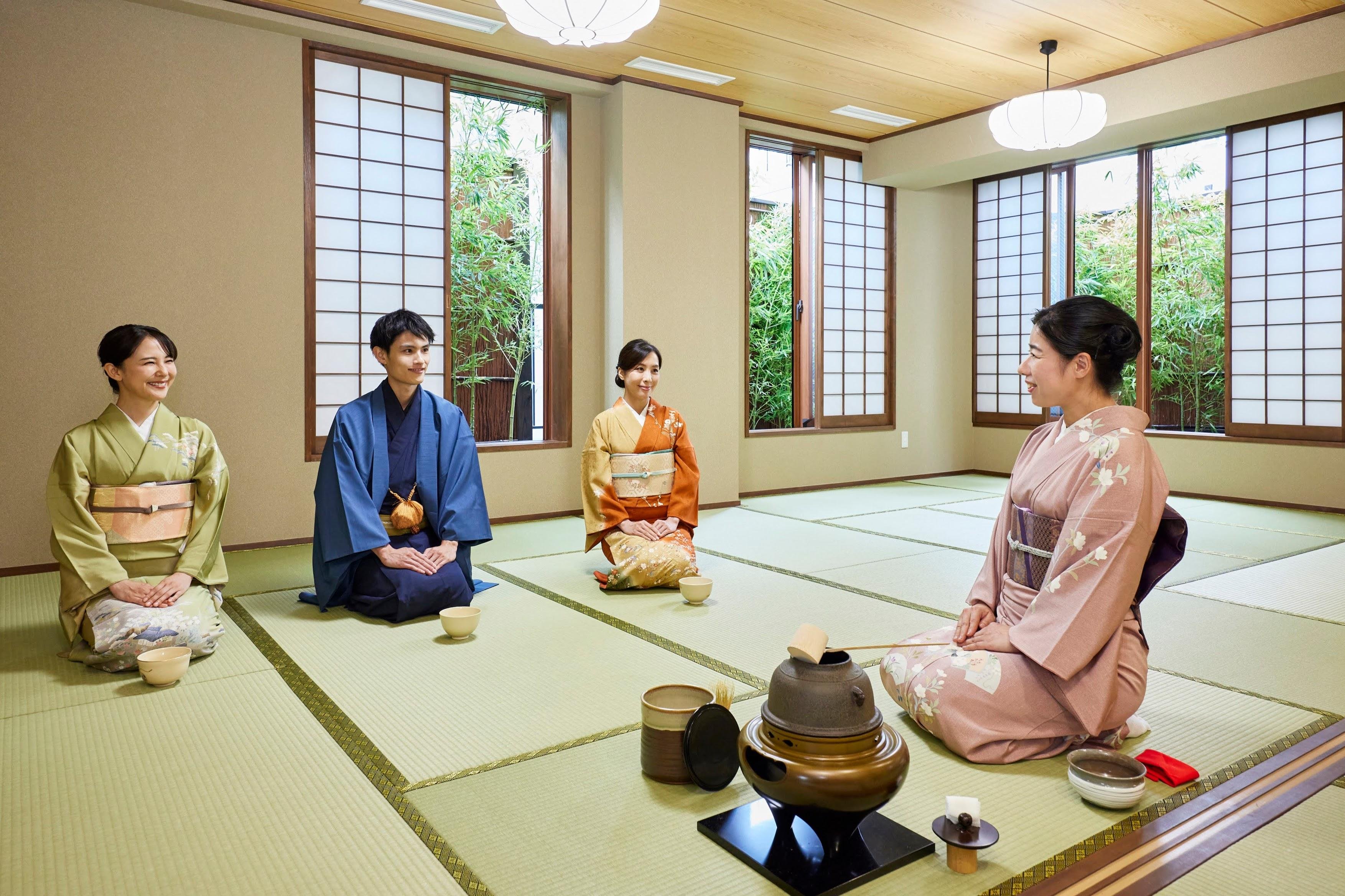
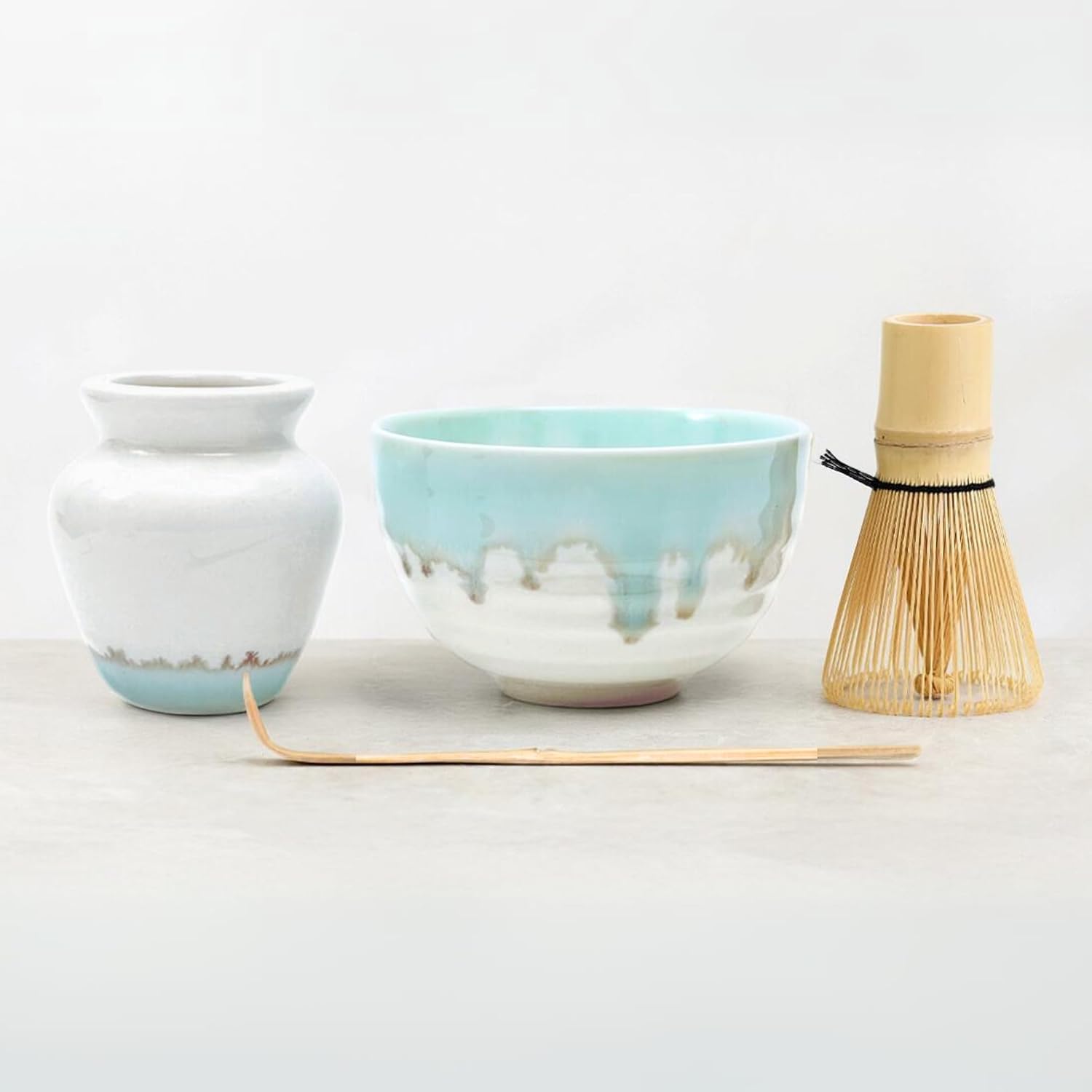
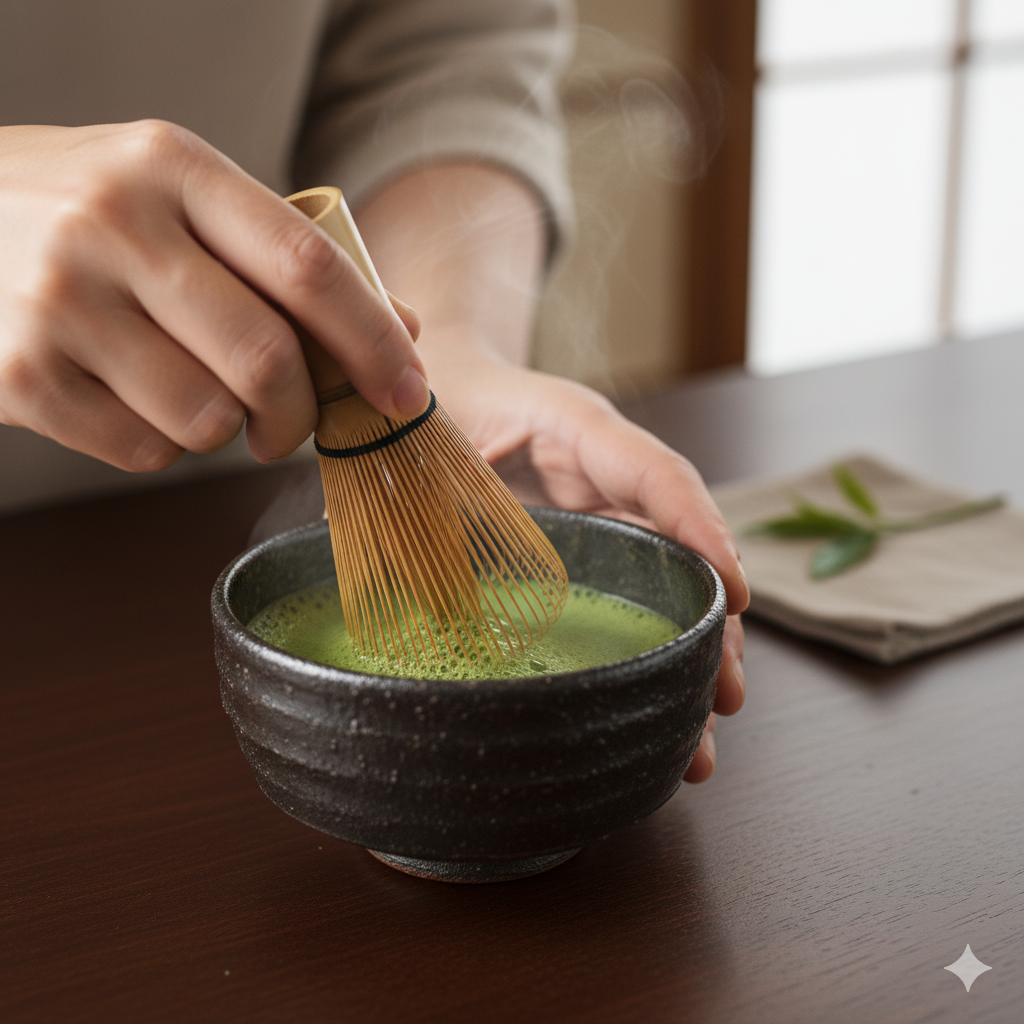
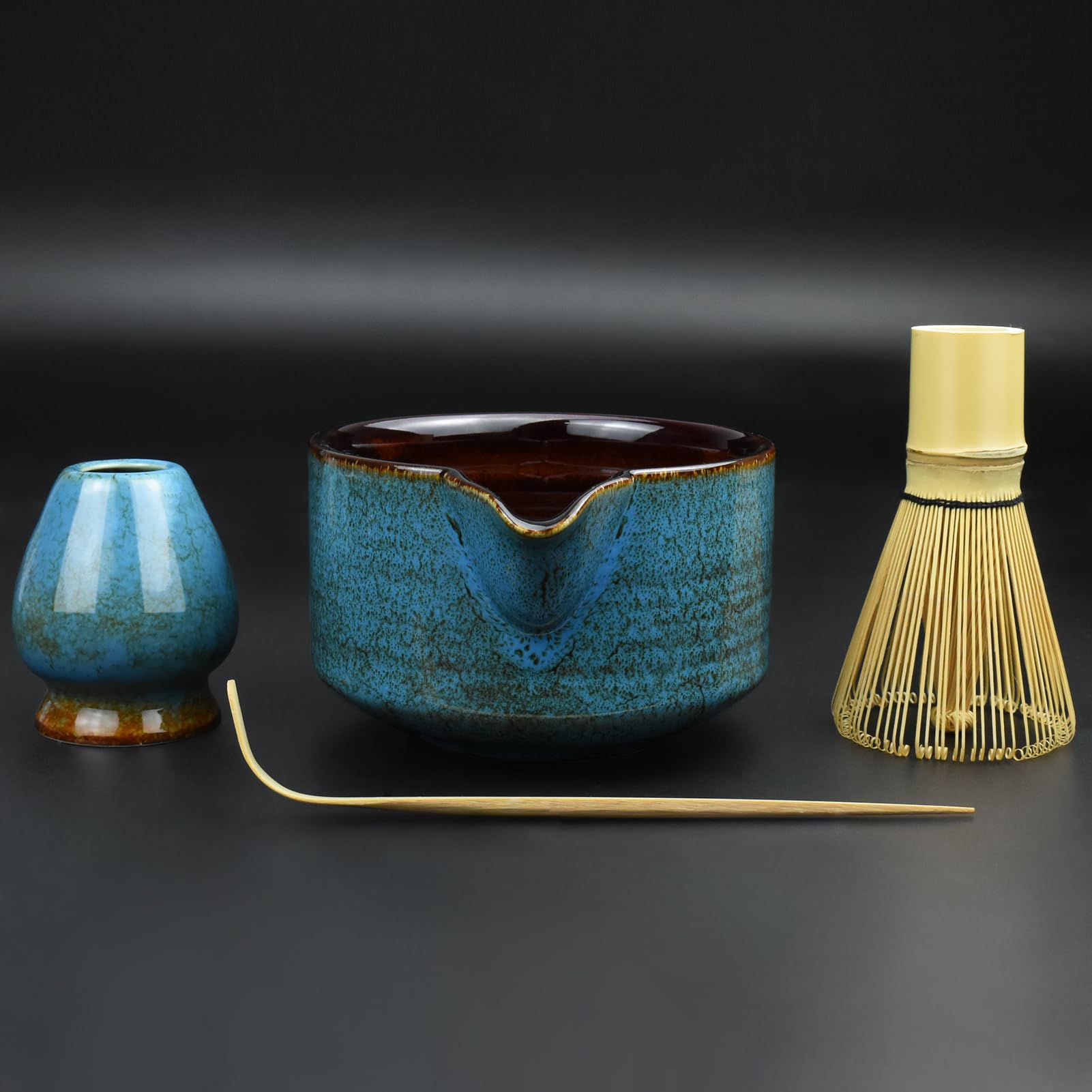
The ritual begins with a sweet — typically wagashi shaped to reflect the season — consumed before the first sip of matcha to temper the tea's astringency. The host purifies each utensil in view of the guests: bamboo ladle rinsed with hot water, tea scoop wiped with a linen cloth, whisk inspected for frayed tines. Matcha powder is measured into the bowl, water added in two stages, the mixture whisked into a bright-green foam using a chasen carved from a single piece of bamboo. The guest receives the bowl with both hands, rotates it twice clockwise to avoid drinking from its front, and empties it in three and a half sips. Silence punctuates every movement.
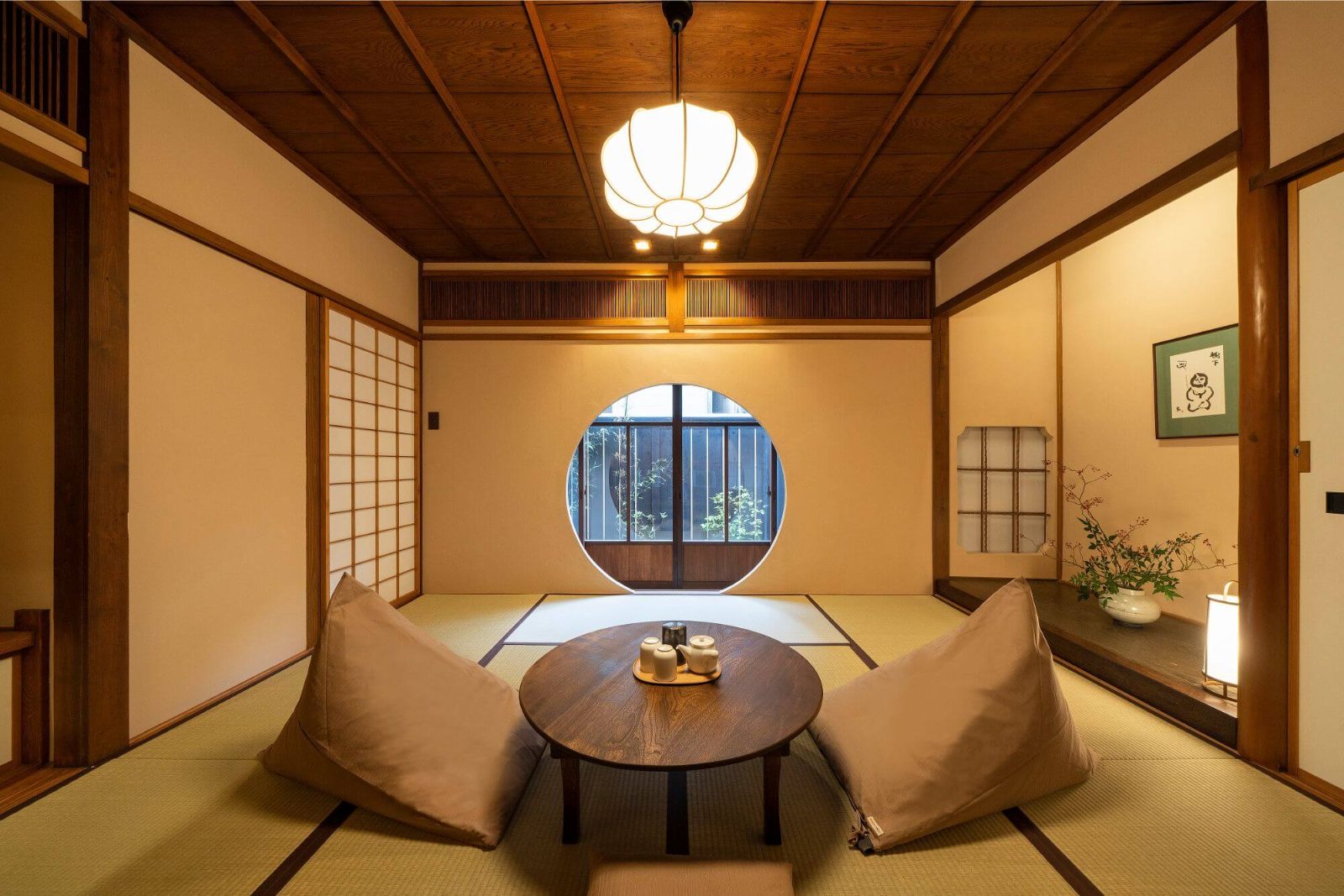
Muan's tea room accommodates six guests per session. The alcove — tokonoma — displays a hanging scroll selected for the week, often a calligraphic phrase from Zen literature. The garden visible through the veranda frames the experience: moss-covered stone lanterns, a pond fed by an underground spring, maples that turn copper in November. No photography is permitted inside the tea house, and mobile devices are stored before entry. The ceremony lasts forty-five minutes, though the interval feels unmeasured.
Tea ceremony Tokyo ticket options reflect the venue's exclusivity. Happo-en limits sessions to four per day — 11:00, 12:00, 13:00, and 14:00 — and the tea house closes on weekdays except Friday. The 1,815 yen entrance fee includes one bowl of matcha and two pieces of wagashi. Walk-ins are turned away when capacity is met, which occurs most Saturdays and during cherry-blossom weeks. Reservations open sixty days in advance and fill within hours for weekend slots.

"The host purifies each utensil in view of the guests: bamboo ladle rinsed with hot water, tea scoop wiped with a linen cloth, whisk inspected for frayed tines."
A step-by-step walkthrough of Tea Ceremony Tokyo tickets — what you'll see, how long each stage takes, and the details that matter.
You arrive at Happo-en's main gate on Shirokanedai, where a gravel path leads past a koi pond and under a canopy of black pines. At the entrance to Muan tea house, you remove your shoes and step onto tatami that exhales the scent of dried rushes.
You kneel on a zabuton cushion, back straight, hands resting on your thighs. The tea master enters without announcement, bows, and begins to arrange utensils on a lacquered tray.
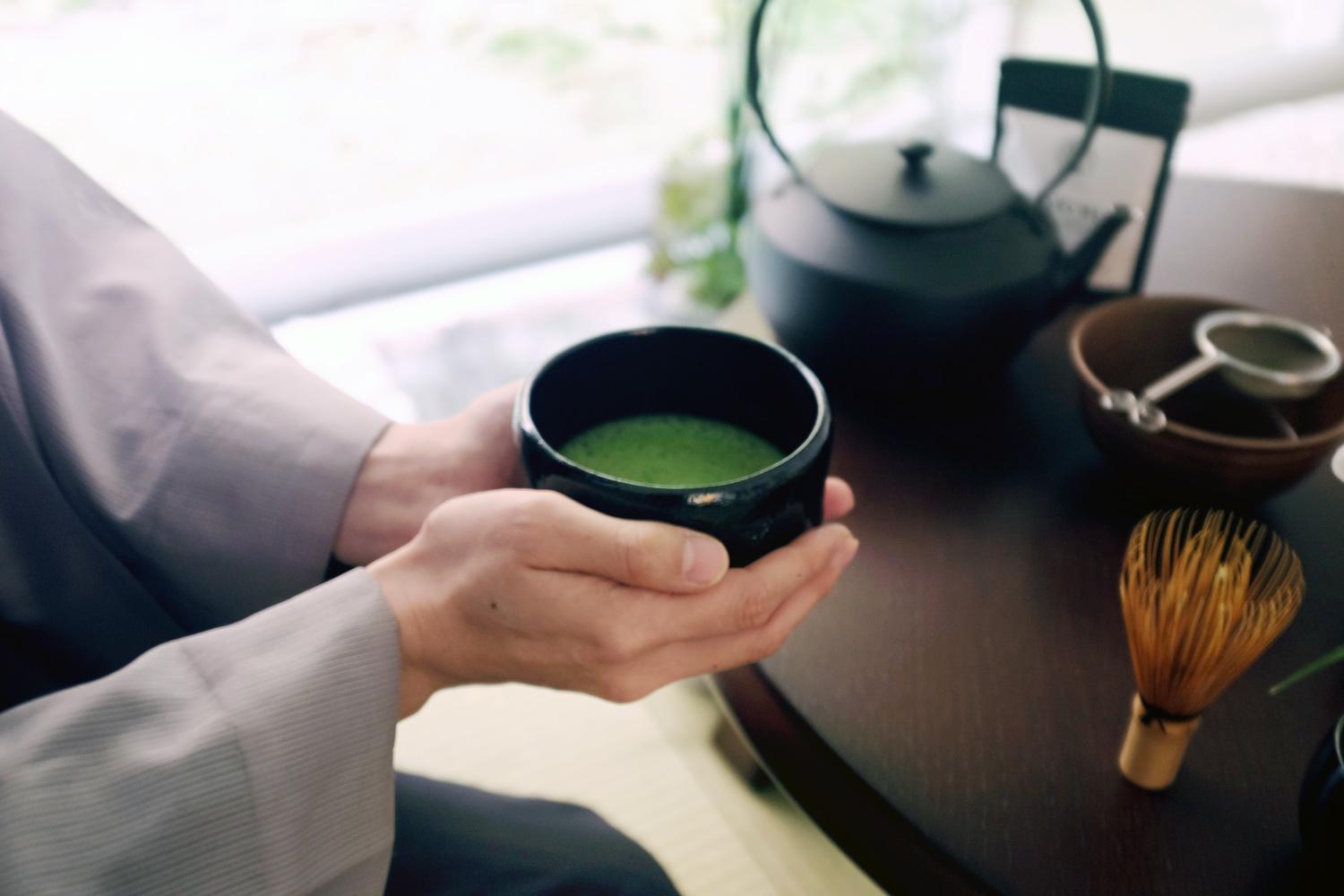
The sweet arrives first — a pale-pink mochi shaped like a cherry blossom, dusted with rice flour. You lift it with both hands, bite carefully, feel the red-bean paste collapse against your palate. The master measures three scoops of matcha into a black Raku bowl, ladles water from the iron kettle, whisks in a practiced figure-eight until foam crowns the surface. She turns the bowl so its decorated front faces you, then slides it forward.
You lift the bowl, rotate it twice clockwise, drink in three deliberate sips. The matcha is bitter, grassy, faintly sweet from the residue of the wagashi. You set the bowl down, rotate it back, slide it toward the host. She bows. You bow. Outside, a breeze stirs the maples, and for forty seconds the only sound is water trickling into the garden's stone basin.
The Muan tea house is open Friday through Sunday and Monday from 11:00–15:00.
The main building of Happo-en is accessible, but the tea house garden paths are traditional; please ask staff for help.
Yes, but please be respectful of other guests and do not use tripods during your tea ceremony tokyo experience.
Autumn and Spring offer the most beautiful scenery at the Happo-en gardens.
Casual, respectful clothing is recommended for your tea ceremony tokyo visit.
Yes, children are welcome, though please monitor them closely around the ponds and stone paths.
The venue is a 1-minute walk from Shirokanedai Station, Exit 2.
The fee is 1,815 JPY per person, which includes matcha and sweets.
Yes, you can easily visit the nearby Tokyo Metropolitan Teien Art Museum after your tea ceremony tokyo session.