
1 hr
Asakusa Matcha Tea Ceremony Experience
Learn to prepare authentic matcha in a welcoming, beginner-friendly setting with traditional sweets included.
Reserve
Hand-picked by our editors — only the best 5 experiences from 12 reviewed.
Verified partners for every tour, free cancellation where available, and instant confirmation on every booking.
1 hr
Learn to prepare authentic matcha in a welcoming, beginner-friendly setting with traditional sweets included.
Reserve
1 hr
Craft your own matcha and taste premium teas in an authentic ceremony near Tokyo University
Reserve
1 hr 30 min
Dress in seasonal kimono and master the art of whisking matcha under expert guidance in a tranquil Tokyo tea room.
ReservePrices from verified partners. Availability updates in real time at checkout. Free cancellation policies apply where shown.
The landmarks, rooms, and views travelers on this tour remember — all visible on a single visit.
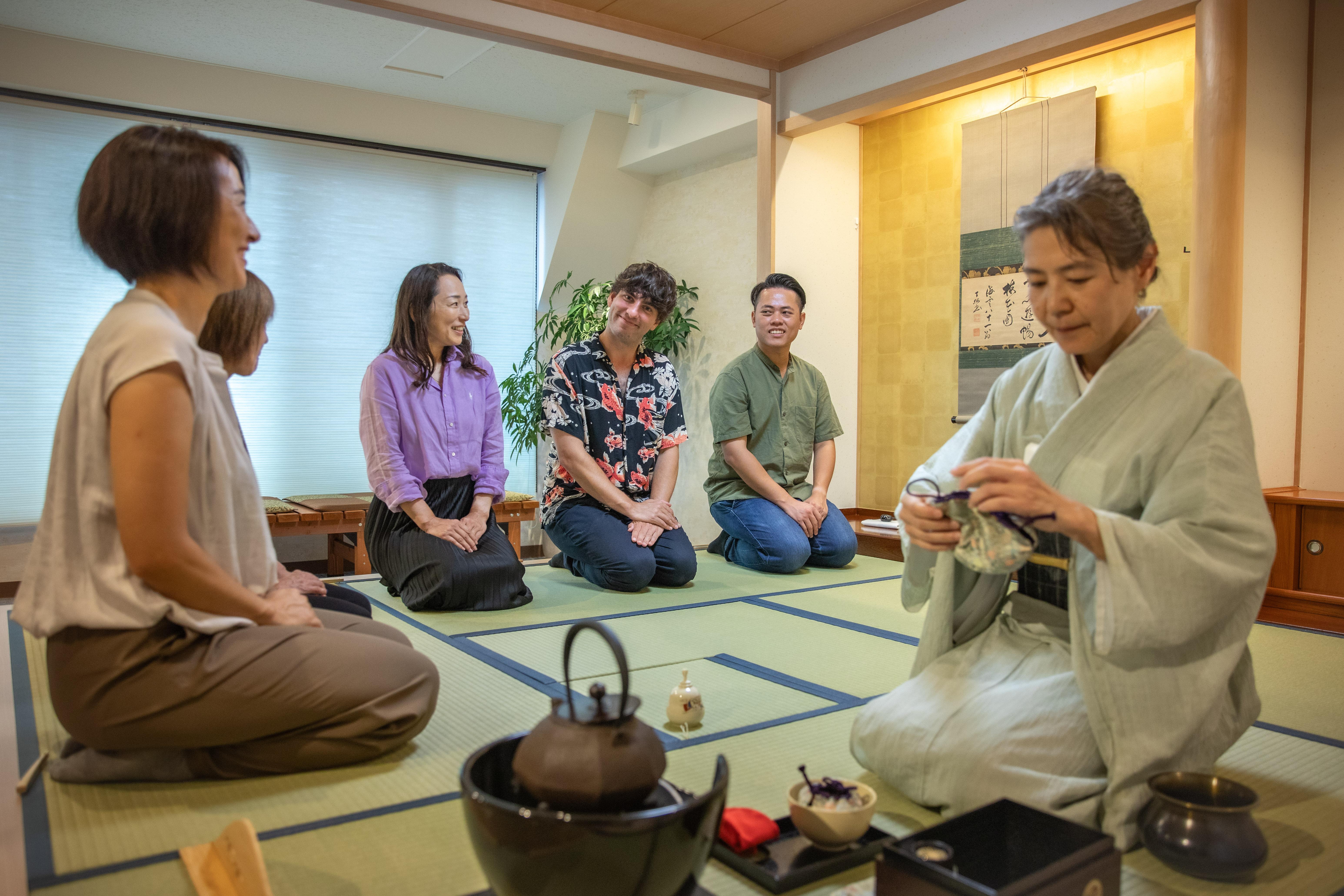
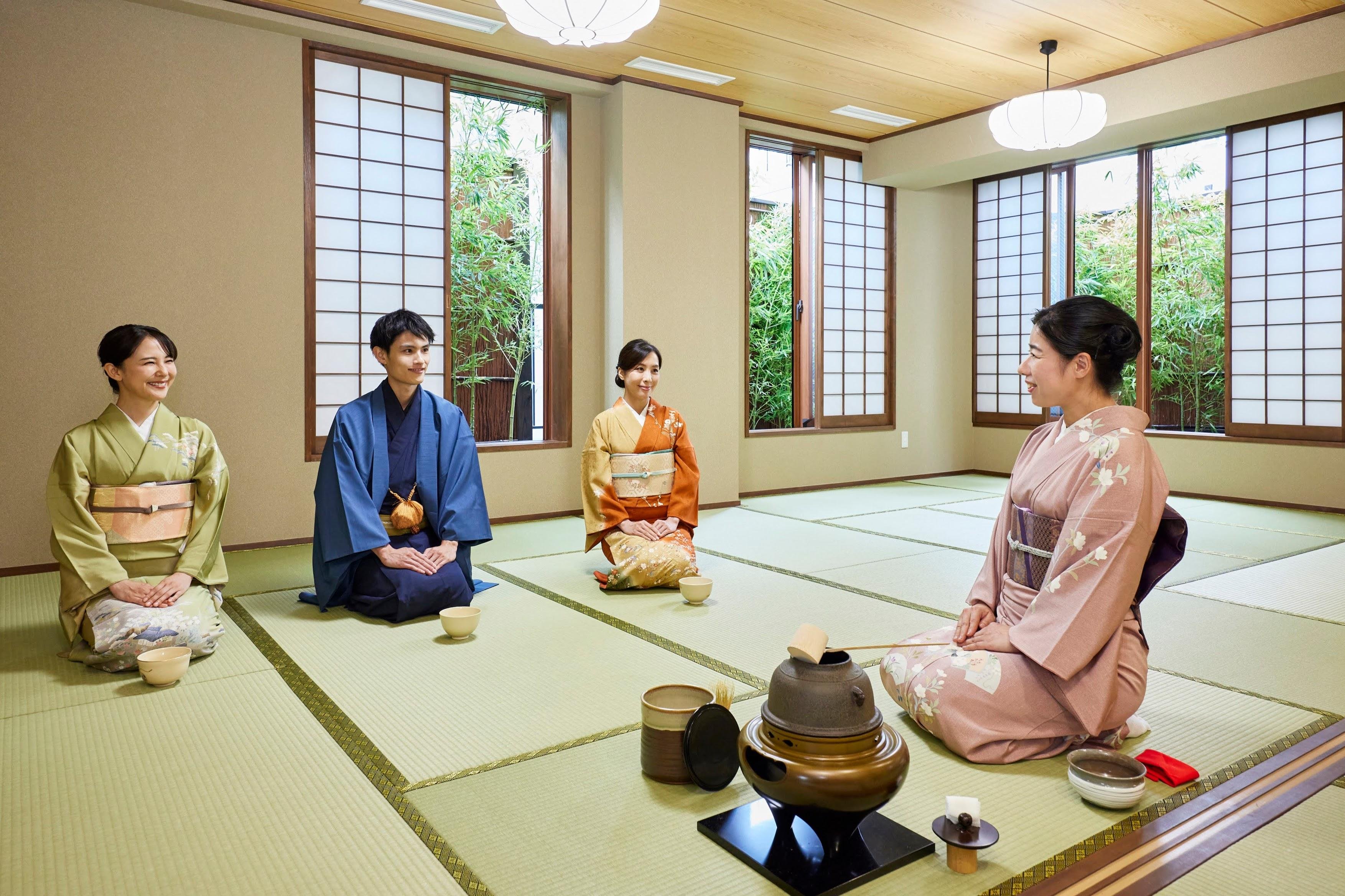
Experience the authentic atmosphere of a traditional room with straw mats and seasonal flower arrangements.
Learn to use the bamboo chasen to whisk matcha into a frothy consistency under professional guidance.
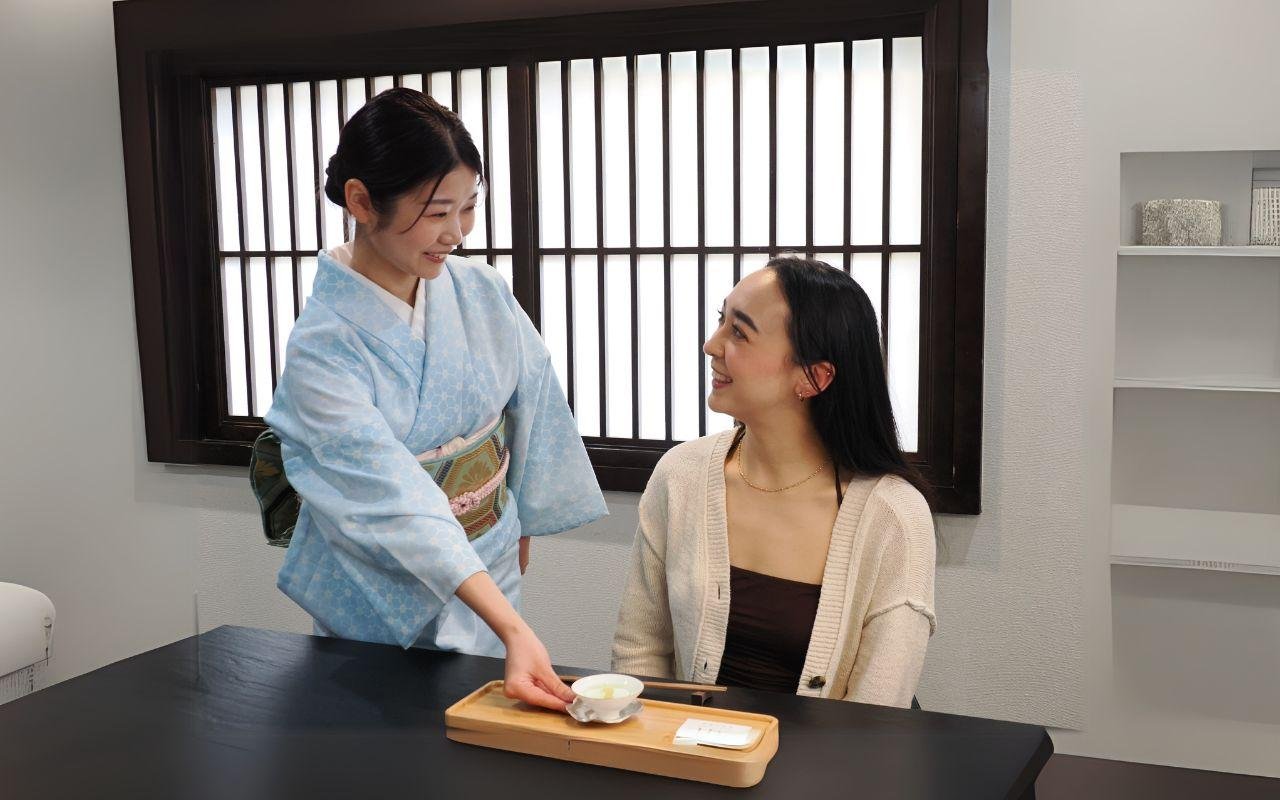
Receive freshly prepared ceremonial grade green tea served with seasonal Japanese sweets to balance the flavor.
Observe the host demonstrating the precise movements and respect inherent in the Way of Tea.
View the changing scrolls and seasonal floral displays chosen specifically for the current time of year.
They complement each other; most visitors who do both call the Asakusa experience the more historically immersive option while finding Shibuya more accessible for quick sessions. Choosing a tea ceremony tokyo asakusa tour offers a deep dive into traditional aesthetics, whereas the rival venue provides a modern approach to the craft.
| Feature | Top pick Asakusa Ceremony | Shibuya Matcha Experience |
|---|---|---|
District Atmosphere |
Traditional Edo-period charm | Modern urban energy |
Cultural Authenticity |
Deeply rooted in historical practice | Contemporary lifestyle focus |
Ceremony Pacing |
Deliberate and reflective | Fast-paced and casual |
Ease of Transit |
Served by Ginza subway line | Major rail and metro hub |
Surrounding Landmarks |
Senso-ji temple and Nakamise | Shibuya Crossing and Hachiko statue |
| See tickets → |
Verdict: Select these tea ceremony tokyo asakusa tours if you seek a meditative encounter with history, or choose the Shibuya alternative if you prioritize convenience and modern integration when purchasing your tea ceremony tokyo asakusa tickets for this Japanese tea ceremony.
Choose your ticket, select your date, and reserve in under two minutes. Secure checkout handled by our verified partner.
Instant confirmation by email, with a mobile voucher you can save offline. No printing, no queuing at a collection desk.
Arrive at the entrance, show your voucher on your phone, and walk in. Most tickets include priority or skip-the-line access.
Practical details for your visit straight from our verified partners — hours, access, rules, and how to get there.
1-12-2 Asakusa, Taito-ku, Tokyo
Main entrance for tea ceremony tokyo asakusa
Take the Ginza Line to Asakusa Station. It is a short walk from the station to the tea ceremony tokyo asakusa venue.
Casual attire is acceptable for the tea ceremony tokyo asakusa, though guests are requested to wear clean socks as you will be stepping onto tatami mats.
Space is limited within the traditional tea room. Please bring only essential personal items as there is no dedicated storage for large luggage during your tea ceremony tokyo asakusa experience.
Photography is permitted during designated portions of the tea ceremony tokyo asakusa, provided it does not disrupt the host or other participants.
The tea ceremony tokyo asakusa takes place in a traditional setting which may include steps and low seating. Please notify the operator in advance if you require assistance or chair seating.
Please set mobile phones to silent mode during the tea ceremony tokyo asakusa. Refrain from taking calls inside the tea room.
Children are welcome to participate in the tea ceremony tokyo asakusa if accompanied by an adult. Ensure that younger visitors are able to sit quietly during the demonstration.
The tea ceremony tokyo asakusa includes traditional Japanese matcha and seasonal wagashi sweets. Please advise the host of any severe food allergies upon arrival.
Pets are not permitted inside the tea ceremony tokyo asakusa venue. Only service animals may be allowed with prior coordination.
The tea ceremony tokyo asakusa focuses on the mindfulness and traditional etiquette of the Way of Tea. Participants are encouraged to observe the host's movements closely.
Best time to go, insider tips, nearby landmarks, and the cancellation fine print — flip through to skim what matters to you.
How crowds, weather, and events shift across the year.
March to May features mild weather and cherry blossoms. Visit during the morning to avoid peak crowds in Asakusa.
October to November offers cool temperatures and clear skies. It is a pleasant time for a tea ceremony tokyo asakusa tour.
June to August can be humid and hot. Indoor tea ceremonies provide a comfortable escape from the heat.
December to February is crisp and cold. Early arrivals allow for a quiet experience before the district gets busy.
Small details that turn a good visit into a great one.
Aim for the 09:00 arrival window to enjoy a quiet atmosphere before the peak crowds arrive in the Asakusa district.
You will be sitting on tatami mats so clean socks are required for the tea ceremony tokyo asakusa.
Secure your tea ceremony tokyo asakusa tickets online to guarantee a spot during your preferred time.
The host is happy to explain the symbolism behind the tea ceremony tokyo asakusa tools.
Plan your visit to coincide with a walk through Senso-ji for a full cultural day.
Non-bookable sights within a short walk — free to visit, easy to pair.
Tokyo's oldest Buddhist temple featuring a massive red gate. Explore the vibrant grounds before your scheduled session.
The iconic outer gate of Senso-ji known for its giant red lantern. A central photography spot in the district.
A historic shopping street leading to the temple. Browse traditional snacks and crafts before your tea ceremony tokyo asakusa tickets are validated.
A riverside space offering views of Tokyo Skytree. Ideal for a stroll following your cultural experience.
Flexible, no hidden fees.
Cancellations must be made according to the operator terms provided at booking. Please refer to your confirmation for specific refund eligibility regarding the 3,000 JPY base rate.
Hand-picked options within walking distance — pick a district for vibe, or a specific hotel for convenience.
Features views of the city skyline
Convenient location near the main temple area
Traditional style lodging perfect for visitors
The formal tea ceremony known as chanoyu emerged in sixteenth-century Kyoto under the influence of Zen philosopher Sen no Rikyū, who distilled elaborate Chinese court rituals into four principles: harmony, respect, purity, and tranquility. By the Edo period, tea houses had proliferated across Japan's merchant districts, and Asakusa—then the capital's pleasure quarter—became a hub for both elaborate and accessible forms of the practice. The district's proximity to Sensō-ji temple ensured a steady flow of pilgrims, many of whom paused for matcha before continuing their devotions. Today, tea ceremony Tokyo Asakusa experiences preserve that intersection of spiritual discipline and urban accessibility, conducted in wooden machiya townhouses that survived the 1923 earthquake and wartime firebombing. Modern practitioners in Asakusa belong to distinct schools—Urasenke, Omotesenke, or Mushakōjisenke—each with codified gestures for folding the silk fukusa cloth, rotating the chawan bowl, and whisking matcha powder into jade-green foam. A single ceremony unfolds across twenty to thirty deliberate steps, from the host's initial bow to the final cleansing of utensils with hot water. Seasonal wagashi sweets precede the tea: spring brings sakura-mochi wrapped in pickled cherry leaves, autumn offers chestnut yōkan, and winter features sweet bean paste shaped like camellias. The sweets counterbalance matcha's astringency and anchor the ceremony in Japan's agricultural calendar. Asakusa's tea rooms occupy the first or second floors of traditional wooden buildings along narrow lanes west of Nakamise-dōri. Tatami mats, shoji screens, and tokonoma alcoves displaying seasonal calligraphy scrolls recreate the aesthetic Sen no Rikyū championed: wabi-sabi, the beauty of imperfection and impermanence. Many hosts offer kimono dressing before the ceremony, layering cotton yukata or silk furisode according to the season and formality of the occasion. Participants kneel in seiza position throughout, a posture that promotes attentiveness and respects four centuries of etiquette. Tea ceremony Tokyo Asakusa tours typically last sixty to ninety minutes, with English-speaking masters explaining the symbolism of each gesture—from the clockwise rotation of the bowl's decorative front to the three-and-a-half sips required to finish the tea.
"Sen no Rikyū distilled elaborate court rituals into four principles: harmony, respect, purity, and tranquility."
A step-by-step walkthrough of the visit — what you'll see, how long each stage takes, and the details that matter.
You remove your shoes at the entrance of a machiya townhouse one block west of Sensō-ji, stepping onto polished cypress floorboards that creak underfoot. The host guides you to a dressing room where cotton tabi socks and a seasonal kimono wait—indigo kasuri in autumn, pale pink in spring. Once dressed, you proceed to the tea room, a six-tatami space with shoji screens filtering afternoon light into soft rectangles on the floor. You kneel in seiza on a zabuton cushion facing the tokonoma alcove, where a calligraphy scroll reads "ichi-go ichi-e"—one time, one meeting. The tea master enters with a black lacquer tray bearing ceramic chawan bowls, a bamboo whisk, and a silk pouch of ceremonial-grade matcha. She places a wagashi sweet on a small dish before you—a pale green nerikiri shaped like a maple leaf. You eat it in three bites, the sweet red bean paste coating your palate. The master scoops two measures of matcha powder into your bowl, adds hot water from an iron kettle, and whisks the mixture into foam with eighty precise strokes. She rotates the bowl's decorative glaze toward you and slides it forward. You lift the bowl with both hands, rotate it twice clockwise, and take three slow sips, savoring the vegetal bitterness and the silence.
The venue is open daily from 09:00–18:00. This applies to all days of the week.
The base rate for a tea ceremony tokyo asakusa experience is 3,000 JPY per person.
The location is 1-12-2 Asakusa, Taito-ku, Tokyo, Japan.
The best arrival window is 09:00–17:00, which offers a quieter atmosphere before peak crowds arrive in the Asakusa district.
Yes, children are welcome at the tea ceremony tokyo asakusa provided they can sit quietly during the session.
Photography is allowed during parts of the tea ceremony tokyo asakusa, provided it is respectful of the host.
The tea ceremony tokyo asakusa is accessible via the Ginza Line at Asakusa Station.
The traditional setting has some limitations; please contact the operator if you require special seating arrangements.
Please bring clean socks and your tea ceremony tokyo asakusa tickets or confirmation details.
Cancellations are subject to the operator policy provided upon purchase of your tea ceremony tokyo asakusa tickets.