
1 hr
Traditional Tea Ceremony with Tea Master
Craft your own matcha and taste premium Japanese teas in an authentic ceremony near Tokyo University
Reserve
Zen discipline meets Ginza precision, bowl by hand-whisked bowl
Hand-picked by our editors — only the best 5 experiences from 47 reviewed
Verified partners for every tour, free cancellation where available, and instant confirmation on every booking.
1 hr
Craft your own matcha and taste premium Japanese teas in an authentic ceremony near Tokyo University
Reserve
1 hr 30 min
Dress in seasonal kimono and learn the ancient art of matcha preparation in a traditional Tokyo tea room
Reserve
1 hr
Whisk your own matcha in a welcoming, beginner-friendly ceremony that skips the formality.
ReservePrices from verified partners. Availability updates in real time at checkout. Free cancellation policies apply where shown.
The landmarks, rooms, and views travelers on this tour remember — all visible on a single visit.
A minimalist space designed for mindful tea preparation and appreciation.
A seasonal decoration reflecting the current time of year.
Observe the precise whisking techniques used by the host.
Savor traditional Japanese sweets served before the bitter matcha.
View a selection of authentic ceramic tea bowls used in the ceremony.
Tea ceremony tokyo ginza tours offer a sophisticated, minimalist approach, whereas Asakusa options provide a more theatrical, costume-integrated atmosphere. Choosing between these paths depends on whether you seek refined silence or expansive, visual storytelling through traditional attire.
| Feature | Top pick Tea Ceremony Tokyo Ginza | Asakusa Kimono Experience |
|---|---|---|
Location Vibe |
Refined urban elegance | Historic district traditional |
Primary Focus |
Meditative matcha preparation | Costume-centric cultural immersion |
Time Commitment |
45 minutes | 60–90 minutes |
Cultural Depth |
High focus on zen aesthetics | High focus on attire history |
Transport Accessibility |
Central Ginza subway hub | Asakusa station proximity |
| See tickets → |
Verdict: Securing tea ceremony tokyo ginza tickets suits those prioritizing focus and tranquility, while the Asakusa alternative better serves travelers seeking a comprehensive [city] landmarks tour.
Choose your ticket, select your date, and reserve in under two minutes. Secure checkout handled by our verified partner.
Instant confirmation by email, with a mobile voucher you can save offline. No printing, no queuing at a collection desk.
Arrive at the entrance, show your voucher on your phone, and walk in. Most tickets include priority or skip-the-line access.
Best time to go, insider tips, nearby landmarks, and the cancellation fine print — flip through to skim what matters to you.
How crowds, weather, and events shift across the year.
October and November offer pleasant temperatures near 18C. The fall foliage provides a calm backdrop for this tea ceremony tokyo ginza tour.
Small details that turn a good visit into a great one.
Arrive at least one hour before closing to enjoy the full 45-minute session.
Wear clean white socks to show respect for the tatami flooring.
Book tea ceremony tokyo ginza tickets in advance to secure your preferred slot.
Use the best arrival window of 10:00–16:00 to avoid late-day crowds.
Observe the instructor to learn the proper way to hold the chawan tea bowl.
Non-bookable sights within a short walk — free to visit, easy to pair.
Historic venue showcasing traditional Japanese performances.
Flexible, no hidden fees.
Cancellations must be made in accordance with the provider's booking terms. Please check your confirmation for details regarding the 3,500 JPY entrance fee.
Hand-picked options within walking distance — pick a district for vibe, or a specific hotel for convenience.
High-end hotel near the Imperial Palace grounds.
Convenient lodging in the heart of the district.
Wide selection of boutique and luxury stay options.
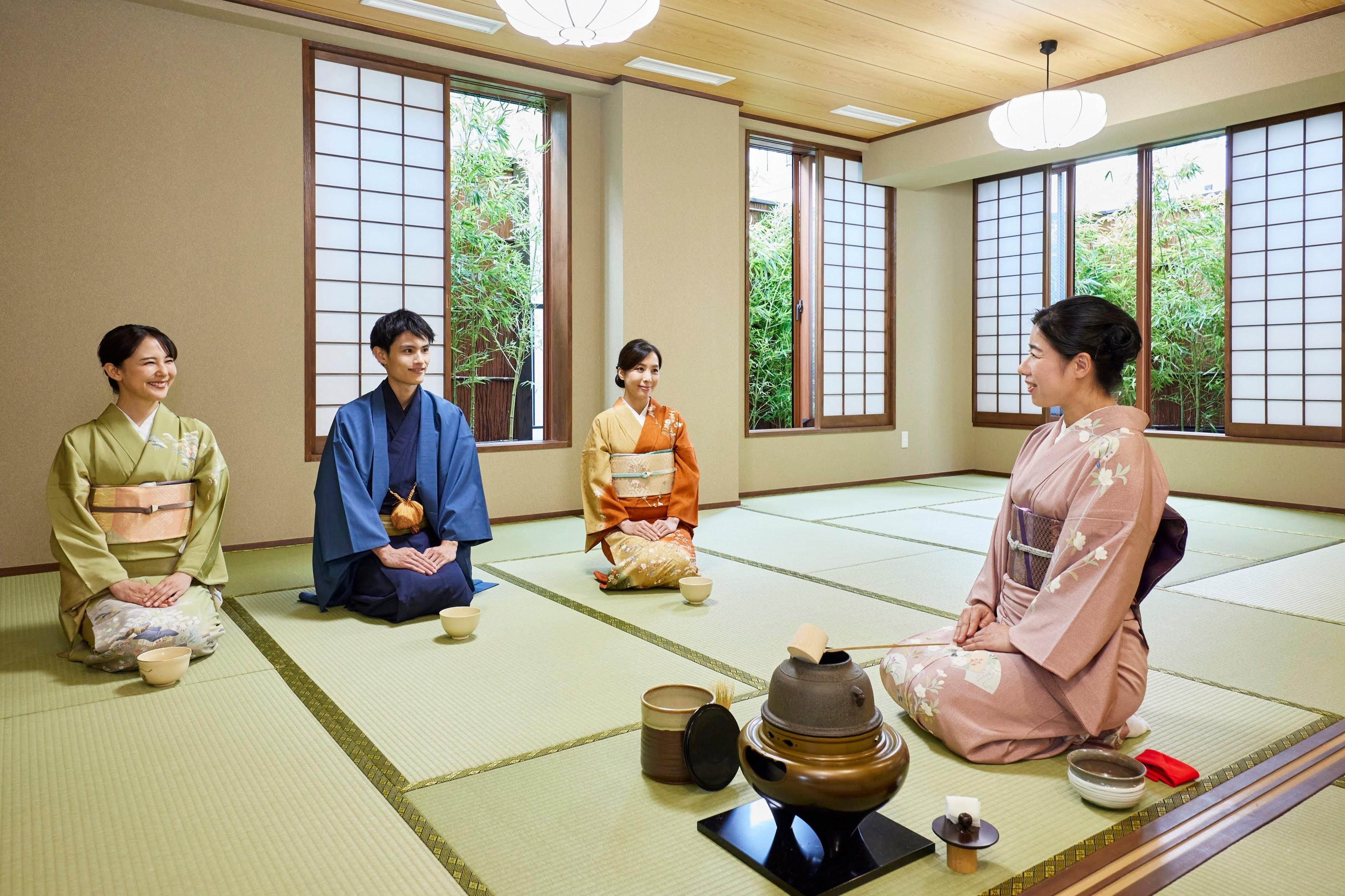
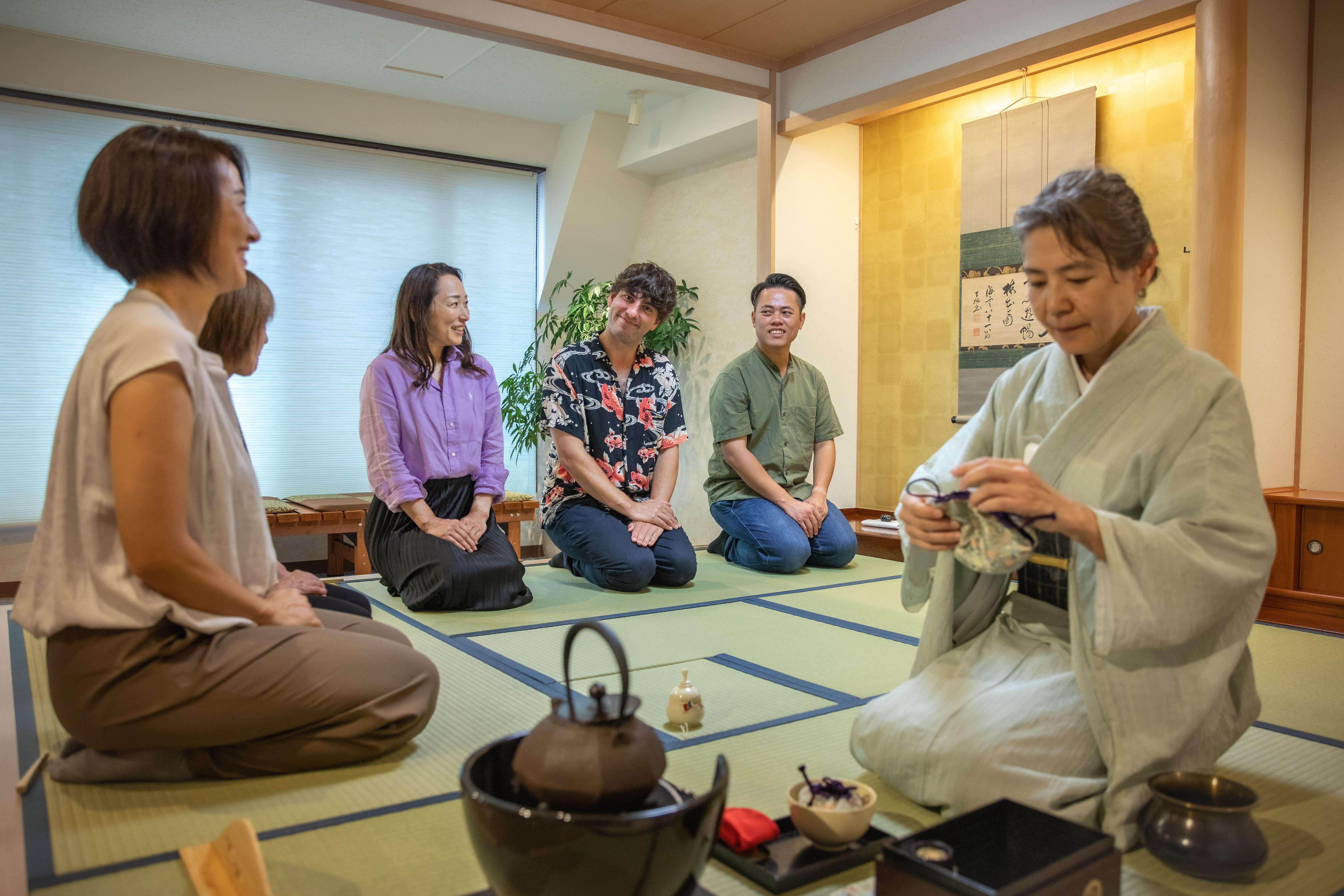
The fifth floor of Ginza's Apollo Building houses a tatami-floored tea room where centuries of chado protocol unfold in 45-minute sessions led by licensed tea masters. Every movement — the angle of the bamboo whisk, the quarter-turn of the ceramic bowl, the placement of seasonal wagashi sweets — follows codes established during the Momoyama period and refined by Sen no Rikyū, the 16th-century merchant who transformed tea preparation into a disciplined art form. Matcha powder, stone-ground from shade-grown tencha leaves, froths under the chasen's eighty tines into a jade suspension that guests receive with both hands, rotating the bowl twice before the first sip. Ginza's postwar reinvention as Tokyo's luxury retail corridor makes the district an unexpected venue for tea ceremony preservation, yet the neighborhood's density and global foot traffic have allowed traditional practitioners to reach audiences who might never venture to Kyoto's temple tea houses. The Apollo Building venue opens daily from 10:00 to 17:00, scheduling sessions in shared-seat and private formats that accommodate both first-time participants and returning students of the Urasenke or Omotesenke schools. Tea ceremony Tokyo Ginza tours prioritize accessibility without diluting rigor — English interpretation accompanies demonstrations of temae procedures, and guests kneel on zabuton cushions rather than directly on tatami for extended comfort. Each session begins with the tea master's purification of utensils using a silk fukusa cloth, a sequence that takes three minutes and involves no wasted motion. The room's tokonoma alcove displays a hanging scroll selected for the current season — autumn arrangements in October 2026 feature crimson maple branches and calligraphy excerpts from Dōgen's Shōbōgenzō. Guests observe the host's preparation of koicha thick tea or usucha thin tea depending on the session format, then receive instruction in holding the chawan bowl and appreciating its glaze and form before drinking. The ceremony concludes with a cleansing ritual and a brief opportunity to ask questions about the tea school's lineage, the provenance of the ceramic ware, or the symbolism embedded in each gesture. Ginza tea ceremony experiences align ancient hospitality codes with contemporary scheduling logistics, offering hourly sessions that fit between museum visits and dinner reservations without compromising the meditative pace that defines chanoyu practice.
"Every movement follows codes established during the Momoyama period and refined by Sen no Rikyū, the merchant who transformed tea preparation into disciplined art."
Smart casual attire is recommended and guests must remove shoes before entering.
Photography is permitted if it does not disrupt others or the instructor.