1 hr
Authentic Tea Ceremony with Master
Discover Japan's tea heritage through five distinct brews, hands-on matcha whisking, and artisan sweets
Reserve
Hand-picked by our editors — only the best 5 experiences from 47 reviewed.
Verified partners for every tour, free cancellation where available, and instant confirmation on every booking.
1 hr
Discover Japan's tea heritage through five distinct brews, hands-on matcha whisking, and artisan sweets
Reserve
1 hr 30 min
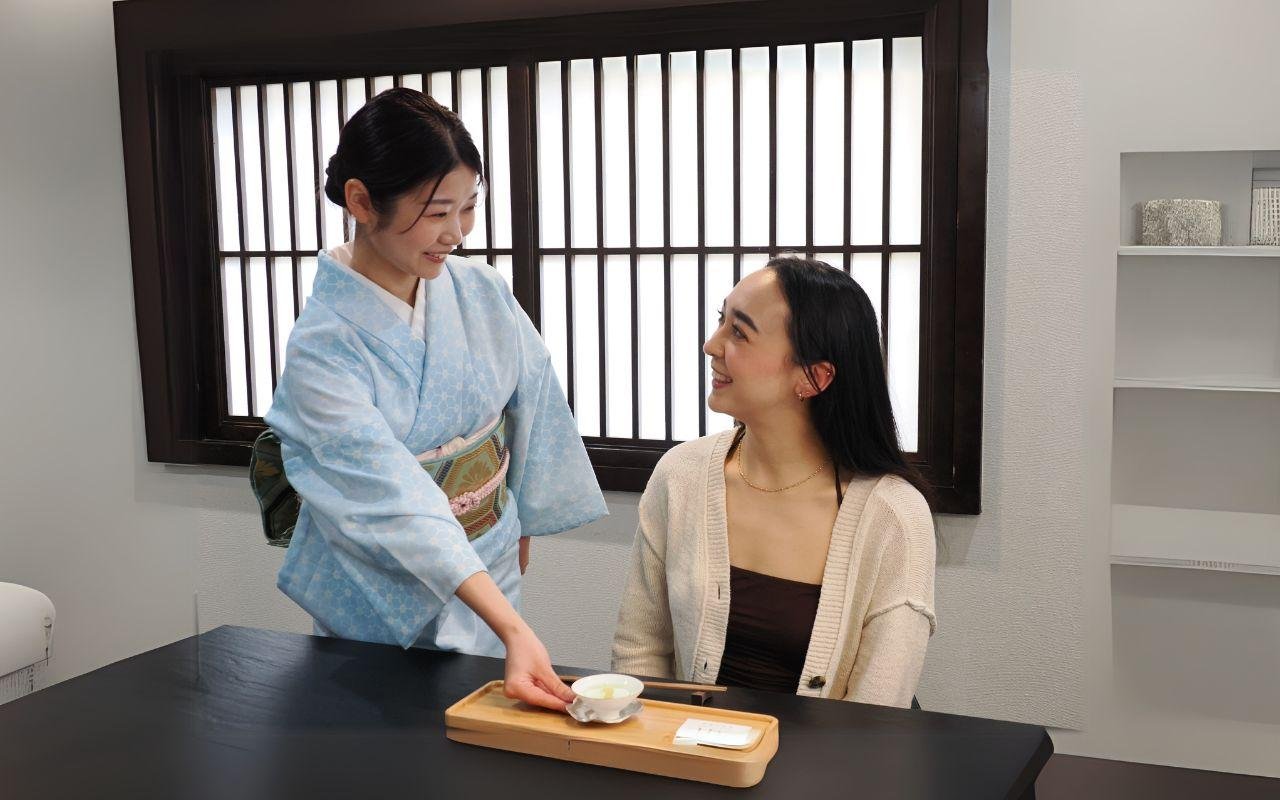
Dress in seasonal kimono and learn authentic matcha preparation from a tea master in a tranquil Tokyo setting
Reserve
1 hr 30 min
Dress in traditional kimono and participate in an authentic matcha ritual guided by an expert host.
ReservePrices from verified partners. Availability updates in real time at checkout. Free cancellation policies apply where shown.
The landmarks, rooms, and views travelers on this tour remember — all visible on a single visit.
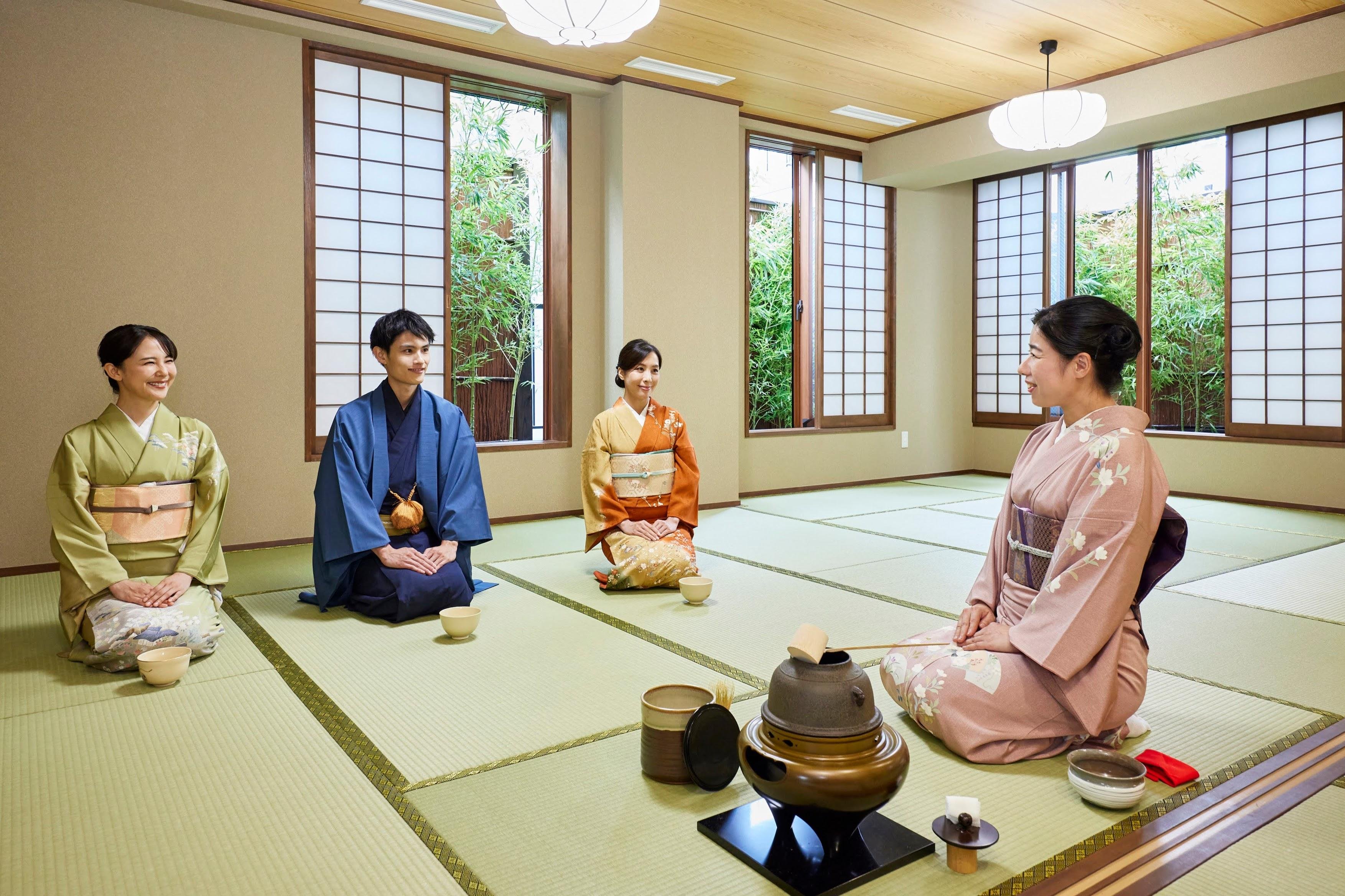
A traditional space designed for the art of tea. These rooms often feature tatami mats and a low crawl-in entrance called nijiriguchi.
A carefully raked landscape representing nature. Many private tea ceremony tokyo venues feature these serene, minimalist spaces.
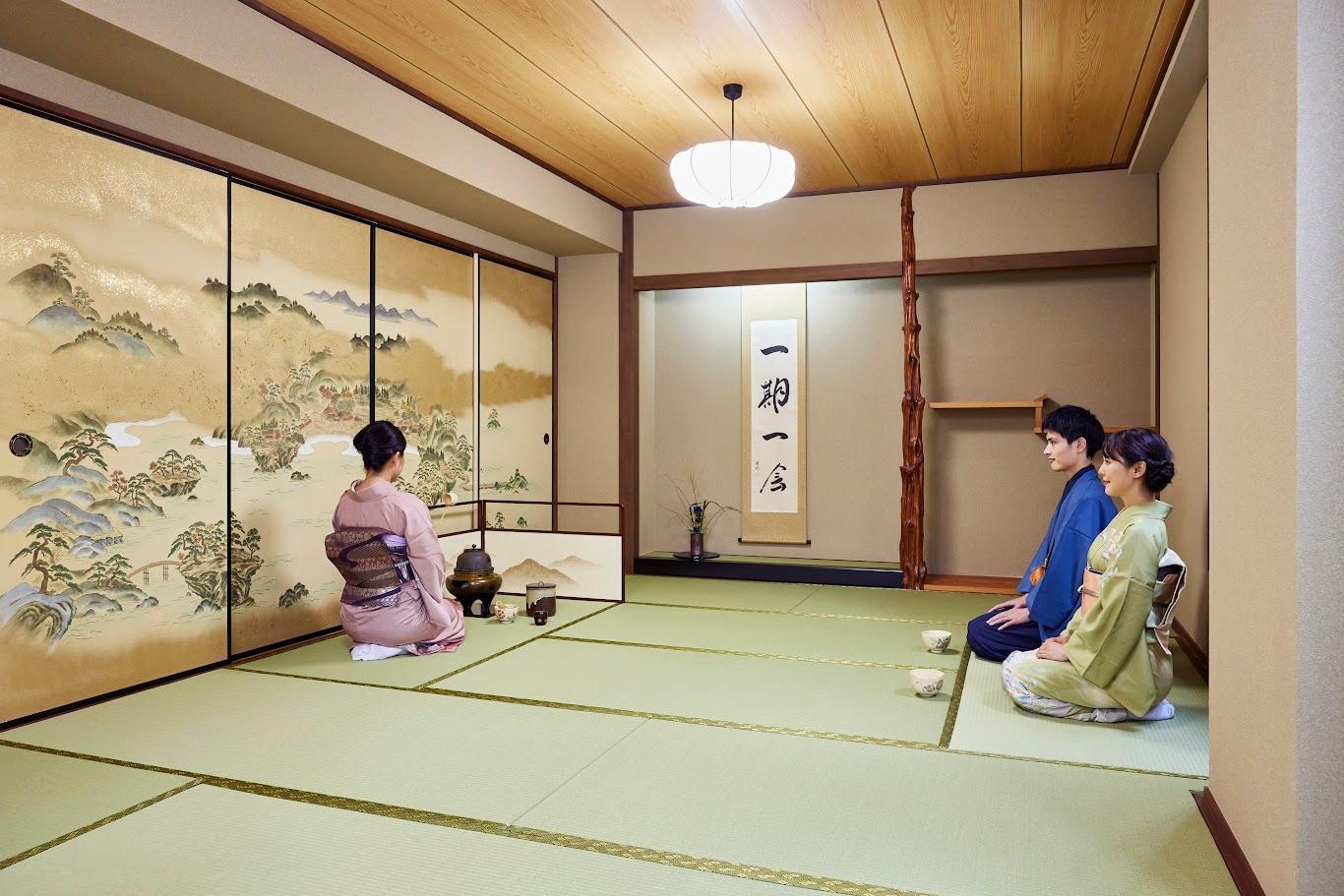
An alcove displaying scrolls or flowers that change with the season. These displays signify the host's hospitality and theme of the day.
A stone basin where guests purify their hands and mouths. This ritual marks the transition from the busy world to the calm of the ceremony.
The bamboo tool used to mix the matcha. This delicate instrument is essential to achieving the perfect consistency for each guest.
A private tea ceremony tokyo session offers an intimate, tailored encounter, while public group ceremonies provide a social environment at a more accessible cost. Visitors seeking deep cultural immersion often prefer the former, while those prioritizing shared interaction may favor the latter for their private tea ceremony tokyo tours.
| Feature | Top pick Private Ceremony | Public Ceremony |
|---|---|---|
Privacy Level |
High/Exclusive | Low/Shared |
Customization |
Tailored/Personalized | Standardized format |
Price |
Varies by operator | Fixed/Lower cost |
Instruction Depth |
One-on-one attention | General overview |
Group Size |
Solo or private group | Multiple participants |
Booking Flexibility |
High/Flexible scheduling | Fixed time slots |
| See tickets → |
Verdict: Choose a private tea ceremony tokyo tour if you value personalized matcha preparation instruction, whereas public sessions remain ideal for casual travelers seeking value through private tea ceremony tokyo tickets.
Choose your ticket, select your date, and reserve in under two minutes. Secure checkout handled by our verified partner.
Instant confirmation by email, with a mobile voucher you can save offline. No printing, no queuing at a collection desk.
Arrive at the entrance, show your voucher on your phone, and walk in. Most tickets include priority or skip-the-line access.
Practical details for your visit straight from our verified partners — hours, access, rules, and how to get there.
Tokyo central rail hubs
Check your specific voucher for the exact meeting point
Use the JR Yamanote line to major central stations. Most venues are within a short walk of these hubs.
Provide the address in Japanese to your driver. This is the most direct way to reach your private tea ceremony tokyo location.
Guests should wear clean socks as shoes must be removed before entering the tatami room. Modest clothing that allows for comfortable kneeling is highly recommended for a private tea ceremony tokyo.
Secure storage for large luggage is rarely provided at traditional tea houses. Guests are encouraged to use station lockers before arriving for their private tea ceremony tokyo session.
Photography is often restricted during the ritualistic preparation of matcha. Please ask your host for permission before capturing images during your private tea ceremony tokyo experience.
Most traditional venues feature low entrances and tatami mats requiring floor seating. Please notify your operator in advance if you require a chair for your private tea ceremony tokyo visit.
Phones should be set to silent mode throughout the event. Minimize usage to respect the meditative atmosphere of the private tea ceremony tokyo.
Children are welcome if they can remain quiet for the duration of the ceremony. Verify age minimums with your chosen private tea ceremony tokyo operator before booking.
Each ceremony includes matcha and a traditional wagashi sweet. No other food or drink may be brought into the private tea ceremony tokyo venue.
Pets are strictly prohibited at all traditional tea ceremony locations. Service animals must be cleared with the operator prior to arrival.
The host will guide you through the etiquette of receiving the tea bowl. Every private tea ceremony tokyo tour is designed to reflect seasonal aesthetics.
Tokyo central rail hubs
Check your specific voucher for the exact meeting point
Get directionsBest time to go, insider tips, nearby landmarks, and the cancellation fine print — flip through to skim what matters to you.
How crowds, weather, and events shift across the year.
Late March to April offers peak cherry blossom views. Book your private tea ceremony tokyo tours early during this period.
October and November provide pleasant temperatures. The foliage enhances the garden setting for a private tea ceremony tokyo visit.
June to August is humid. Afternoon sessions are best for avoiding peak midday heat.
December to February is crisp. The indoor environment remains warm and tranquil.
Small details that turn a good visit into a great one.
Popular sessions sell out quickly. Secure your private tea ceremony tokyo tickets at least two weeks in advance.
Watch a short video on tea ceremony manners. This helps you fully appreciate the private tea ceremony tokyo details.
Carry water for the journey between sites. Teahouses are located in quiet, often hidden alleys.
Aim for the recommended window of 09:00–17:00. This ensures you are not rushing your private tea ceremony tokyo experience.
Engage your host about the utensils used. Most hosts enjoy sharing the history of their craft during a private tea ceremony tokyo.
Non-bookable sights within a short walk — free to visit, easy to pair.
The primary residence of the Emperor of Japan with vast gardens.
A prominent Shinto shrine surrounded by a dense forest.
A historical garden featuring a tidal pond and teahouses.
Home to a collection of pre-modern Japanese and East Asian art.
Flexible, no hidden fees.
Full refunds are typically available for cancellations made 48 hours in advance. Please refer to your specific booking confirmation for the policy regarding the 0 JPY entrance fee and service costs.
Hand-picked options within walking distance — pick a district for vibe, or a specific hotel for convenience.
Central location with high-end hotel options.
Convenient access to transport and dining districts.
Traditional atmosphere near historic temples.
Affordable district with many transit connections.
The Japanese tea ceremony—chanoyu—codified under Sen no Rikyū in the sixteenth century as a practice of wabi-sabi aesthetics, where imperfection becomes beauty and ritual transcends transaction. What began as a Zen Buddhist meditation discipline evolved into a choreography so precise that the angle of a bamboo ladle and the rotation of a tea bowl carry meaning. Today, Tokyo holds approximately three hundred active tea houses, yet fewer than forty accept foreign visitors for private instruction. The city's tea tradition survived the 1923 earthquake and the wartime collapse of patronage networks, sustained by hereditary tea master families who passed down oral techniques across fifteen generations. A private tea ceremony Tokyo session unfolds in a dedicated tea room—a chashitsu—where tatami dimensions, alcove placement, and even the height of doorways follow specifications unchanged since the Edo period. The host enters through a low nijiri-guchi entrance, a deliberate architectural choice that forces every guest, regardless of rank, to bow upon entry. Matcha preparation involves nineteen discrete hand movements: the tea master rinses the whisk in a prescribed circular pattern, folds the silk cloth—chakin—in a manner that reveals no loose threads, and whisks the powdered green tea at an exact ninety-degree angle to produce foam dense enough to hold its shape. Each gesture exists to cultivate ichigo ichie—one time, one meeting—the acknowledgment that this precise gathering will never recur. The ceremony's four governing principles—harmony, respect, purity, tranquility—manifest in sensory details. Charcoal burns in a specific arrangement to maintain water at ninety degrees Celsius. Seasonal wagashi sweets, sculpted to echo chrysanthemums in autumn or cherry blossoms in spring, precede the bitter matcha to balance taste. The tea bowl itself—often a ceramic piece centuries old—rotates twice in the guest's hands before drinking, ensuring the bowl's decorated front faces the host as a gesture of gratitude. Contemporary tea masters in Asakusa, Shibuya, and Shinjuku adapt this framework for international participants, offering kimono rental and English interpretation while preserving the non-negotiable elements: silence between sips, the cleansing of utensils, the final bow that closes the encounter. In a city of vending machines and precision trains, the tea ceremony remains an insistence that time, when held with intention, expands.

"Ichigo ichie—one time, one meeting—the acknowledgment that this precise gathering will never recur."
A step-by-step walkthrough of the visit — what you'll see, how long each stage takes, and the details that matter.
You remove your shoes at the entrance and step onto tatami that holds the faint scent of woven rush. The tea master, dressed in a silk kimono, gestures toward a low wooden door—you bow to pass through, your head dipping below the frame in a posture that erases hierarchy. Inside the tea room, light filters through shoji screens, casting soft geometry across the alcove where a single scroll hangs beside a ceramic vase holding one branch of seasonal foliage. You kneel on a silk cushion, your knees aligned with those of the other guests in a semicircle facing the sunken hearth. The master kneels opposite, lifting a bamboo ladle to scoop steaming water into a black ceramic bowl. Matcha powder dissolves into emerald suspension as the bamboo whisk moves in quick, practiced circles. The master rotates the bowl twice—the painted crest now faces you—and extends it with both hands. You accept it, rotate it twice in return, and drink. The tea tastes vegetal and slightly bitter, the foam clinging to your lips. You set the bowl down with a soft sound. The master bows. You bow in return. Forty minutes pass in near silence, measured only by the hiss of water and the deliberate clink of lacquerware. When the ceremony closes, you exit through the same low door, returning to the noise of Shibuya or Asakusa with the taste of matcha still on your tongue.
The venues operate daily from 09:00–18:00. Please verify your specific private tea ceremony tokyo appointment time. There is 0 JPY entrance fee, though private ceremony prices vary by operator. Always check your booking for private tea ceremony tokyo costs. Yes, children are welcome if they can observe the ceremony quietly. Ensure your private tea ceremony tokyo tour operator is notified. Photography is often restricted to protect the sanctity of the ritual. Ask your host before using a camera during your private tea ceremony tokyo. We recommend arriving between 09:00–17:00 for the best light. This window ensures the most tranquil environment for your private tea ceremony tokyo. Yes, guests should wear socks and modest clothing. This is standard etiquette for every private tea ceremony tokyo experience. No, outside food is not permitted. You will be served traditional wagashi sweets during your private tea ceremony tokyo. Yes, locations like the Imperial Palace are excellent to visit before or after. Combine these landmarks with your private tea ceremony tokyo plans. Refer to your booking confirmation for the specific policy. Standard practice for a private tea ceremony tokyo allows refunds if canceled 48 hours prior.
Please contact us for more information.