
English| EUR
Suggested for you
More currencies
Choose a language
A traditional Japanese tea ceremony in Tokyo offers one of the city's most intimate cultural encounters. This guide covers opening hours, location, pricing, and preparation for your tea ceremony tokyo tour, so you arrive ready to engage with centuries-old ritual.
Quick answer
Tea ceremony experiences in Tokyo's Asakusa district run daily from 10:00 to 17:00, with sessions starting throughout the day. The base rate is 3,500 JPY per person for a 45–60 minute experience that includes matcha preparation, seasonal sweets, and guided instruction in the formal movements and meanings of the ceremony. Arrive between 10:00 and 16:00 to secure a comfortable start time and avoid late-afternoon crowds.
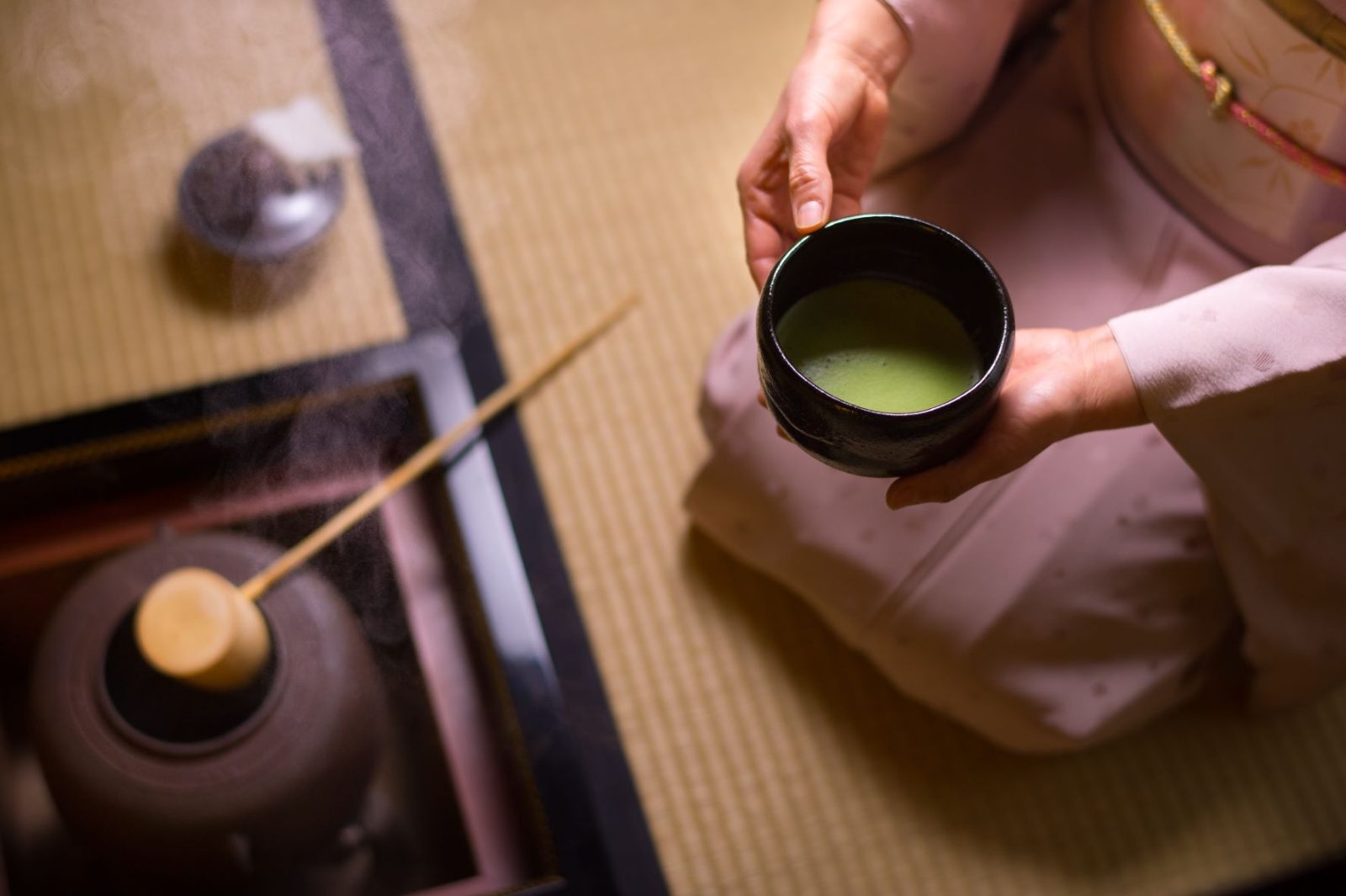
The Japanese tea ceremony, or chanoyu, emerged in the 16th century as a codified practice of mindfulness through the preparation and serving of matcha. What appears as a simple act of making tea unfolds as a choreographed meditation on seasonality, spatial harmony, and host-guest reciprocity. Asakusa's tea houses operate within walking distance of Sensō-ji Temple, the district's historic anchor. The neighborhood's preservation of Edo-period aesthetics creates an appropriate setting for an art form that values restraint and historical continuity. Sessions accommodate small groups, typically four to six participants, in tatami-mat rooms designed for the ceremony's spatial requirements. A tea master guides you through each gesture: how to receive the bowl with both hands, rotate it twice before drinking, and return it with the decorated side facing the host. The 45–60 minute duration allows time for the full sequence. You begin with a seasonal wagashi sweet that balances matcha's bitterness, then observe the host's precise whisking technique before attempting it yourself. The ceremony emphasizes process over outcome—your matcha may not achieve the ideal foam on the first try, but the practice of attention matters more than technical perfection. The tea master explains the symbolism embedded in each movement and the significance of the ceramics and scroll chosen for that day's gathering. Most visitors book morning or early afternoon sessions, when natural light fills the tea room and the ritual's contemplative pace feels aligned with the day's beginning. The experience requires sitting seiza-style on tatami mats, though many venues offer low stools for those who need them. Reservations are recommended, particularly during spring cherry blossom season and autumn foliage months when cultural tourism peaks. The Asakusa location offers easy access via the Ginza and Asakusa subway lines, making it practical to combine your tea ceremony tokyo guide visit with the neighborhood's temples and traditional craft shops.
“The tea ceremony emphasizes process over outcome—the practice of attention matters more than technical perfection.”
The best arrival window is 10:00–16:00 to manage crowd levels and ensure the full 45-60 minute experience fits within daily operations. Arriving within this timeframe provides a more consistent pace for your tea ceremony.
Mild temperatures, 10°C to 20°C
Cherry blossom season attracts high visitor volume throughout Asakusa.
Cool, comfortable, 12°C to 22°C
Clear weather makes these months ideal for walking tours.
—
Tuesday through Thursday mornings typically offer the most stable conditions for a quiet experience.
Verdict: The best slot for a tea ceremony is Tuesday to Thursday, arriving between 10:00 and 12:00 during April or October.
The tea ceremony is a formal ritual governed by centuries-old protocol. Observing proper etiquette demonstrates respect for your host and the tradition itself.
Everything you need to know about tea ceremony tokyo tour
A standard session lasts between 45 and 60 minutes, allowing you to fully appreciate the ritual. Planning your tea ceremony tokyo tour within this timeframe ensures a relaxed pace.
You will witness the precise movements involved in whisking powdered green tea, known as matcha, into a frothy consistency. This serene practice is central to the history of this cultural landmark.
Advanced booking is highly recommended to secure your preferred slot for a Japanese tea ceremony. It allows you to plan your itinerary efficiently and ensures your spot is reserved.